
Winter Surf Survival Guide
Here’s our guide to winter wetsuits and surfing throughout winter.
Winter surfing isn’t for the faint-hearted, but with the right wetsuit, a few cold-water essentials and a little preparation, you can keep enjoying the waves whatever the weather. Here’s how to stay warm and make the most of those winter swells.
There’s something special about winter surfing. Empty lineups, powerful swells and crisp mornings can make for some of the best sessions of the year. But let’s face it, freezing fingers, icy winds and changing out of a wet wetsuit in a cold car park aren’t quite so appealing!
The good news is that modern winter wetsuits are warmer, lighter and more flexible than ever, making cold water surfing a whole lot more comfortable. Whether you’re replacing an old suit or looking for a few ways to beat the chill, here’s what you need to know.
Choosing the Right Winter Wetsuit
A good wetsuit is the most important piece of winter surfing kit you’ll own, so it’s worth getting it right.

1. Get the fit right
Fit is everything, particularly in winter. Your wetsuit should sit snugly against your body with no obvious gaps or loose areas where cold water can collect, but it shouldn’t restrict your shoulders or paddling. A well-fitting suit traps a thin layer of water and helps maintain body heat; a bad-fitting one can flush every time you duck dive.
2. Choose the right thickness
For most UK winter surfing, a 5/4mm or 5/4/3mm suit is the standard starting point, although exactly what you need will depend on where you surf, how much you feel the cold and how long you stay in the water. Further north and through the coldest months, extra insulation can make a huge difference.
3. Look beyond thickness
Millimetres only tell part of the story. Modern thermal linings, insulating materials and improved construction mean two wetsuits of the same thickness can feel very different in the water. Look at where the thermal lining is positioned and how the suit balances warmth with weight and flexibility.
4. Pay attention to seams
Keeping cold water out is crucial. Glued and blind-stitched seams, internal taping and other sealed-seam constructions help reduce water penetration while adding durability. Check the quality of the seams and reinforcement around high-stress areas such as the knees, crotch and underarms.
5. Consider the entry system
Chest-zip and zipper-less suits reduce flushing and offer excellent freedom of movement, while back-zips are generally easier to get in and out of – something worth considering when you’re changing with freezing hands in a windswept car park. The best option comes down to fit and personal preference.
Check the forecast, tides and conditions
Our Pick of Women’s Winter Wetsuits
From innovative thermal linings to more sustainable materials, wetsuit technology continues to evolve. We’ve selected a few women’s winter wetsuits from Rip Curl, Billabong, Patagonia, C-Skins and Finisterre to help you find the right suit for the colder months.
Billabong
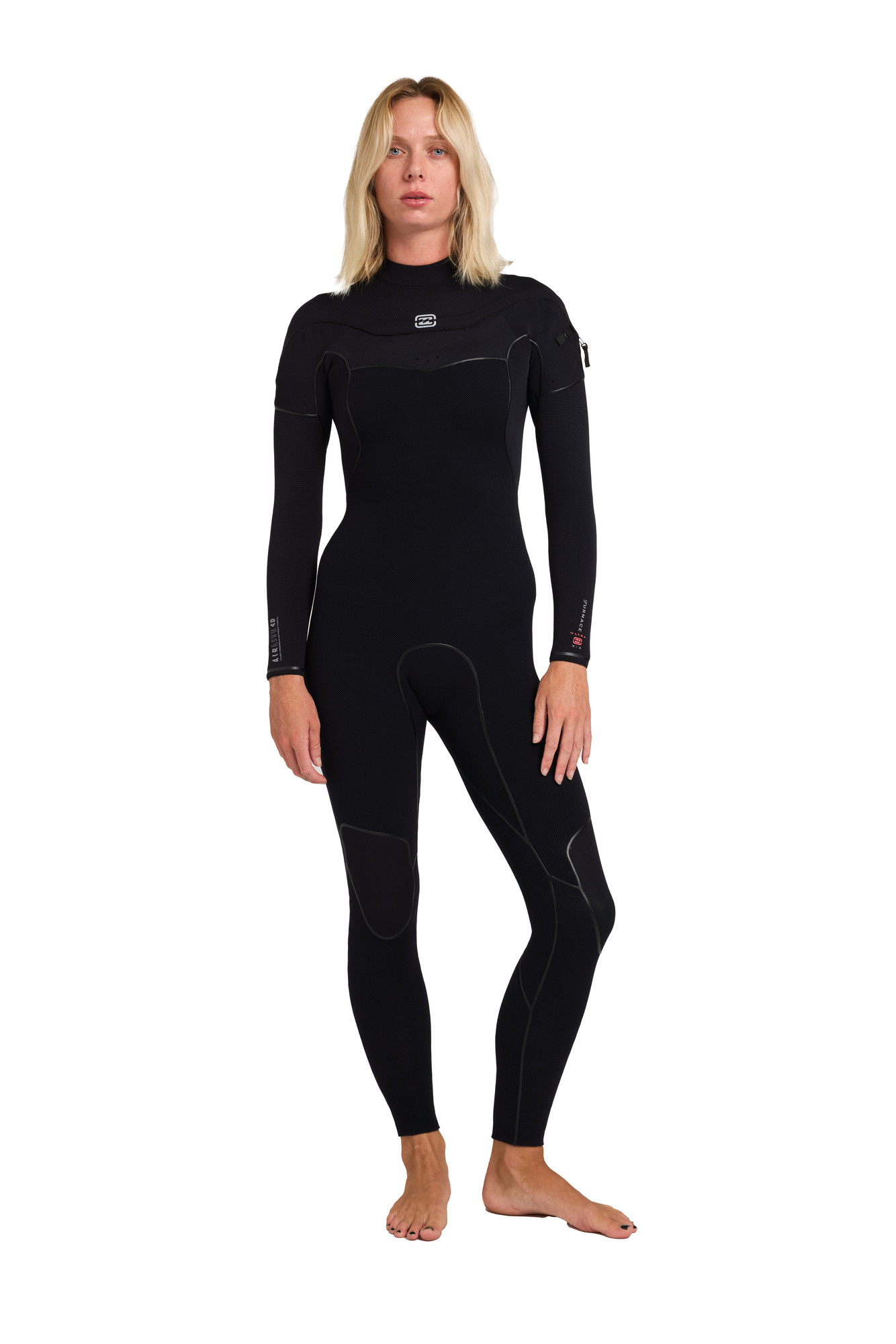
Billabong 5/4 Furnace Ultra Gullwing
5/4 · 4/3mmGullwing
RRP: 5/4mm £420, 4/3mm £410
More details
Billabong
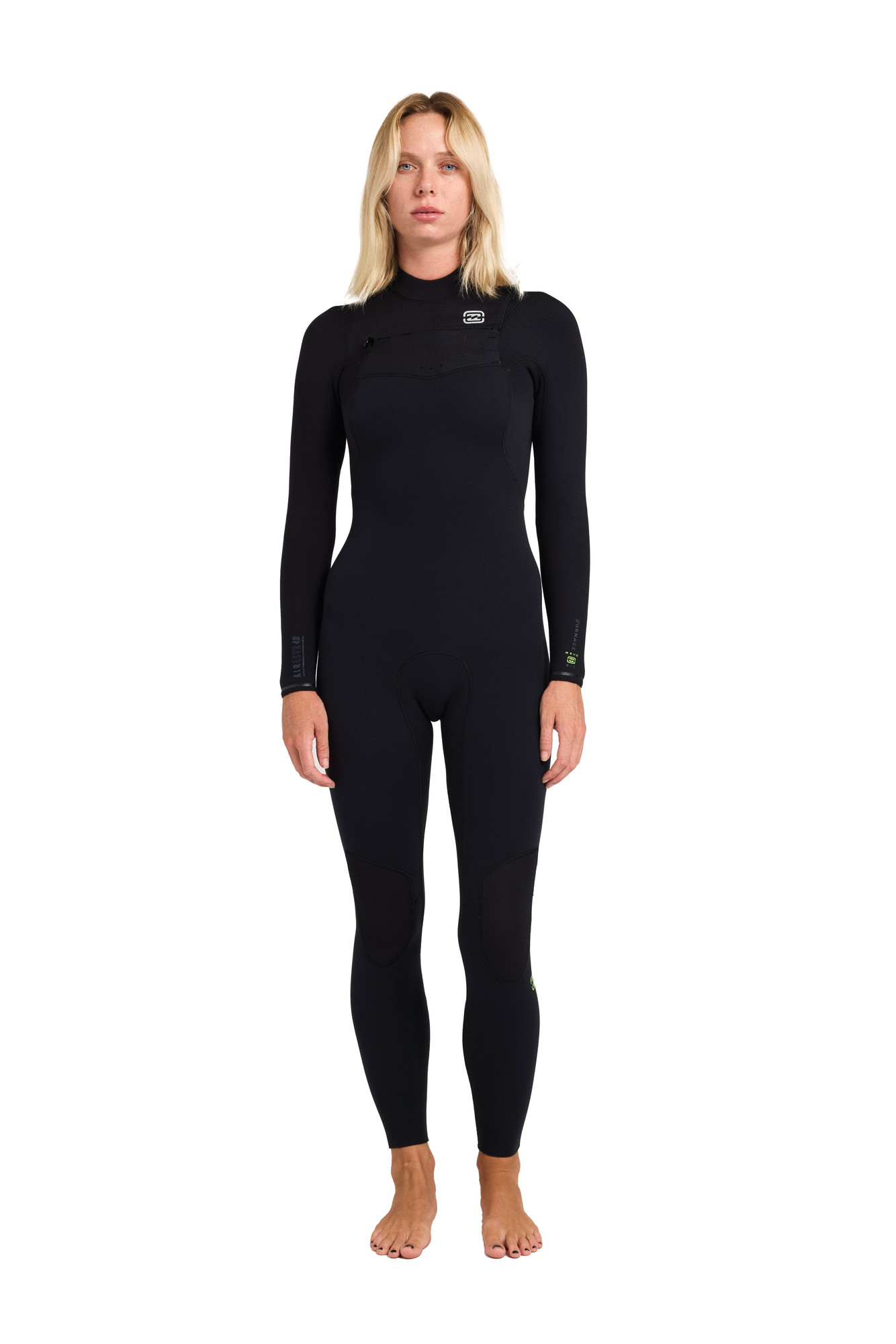
Billabong 4/3 Furnace REVO
5/4 · 4/3mmChest zip
RRP: 5/4mm £330, 4/3mm £320
More details
Billabong
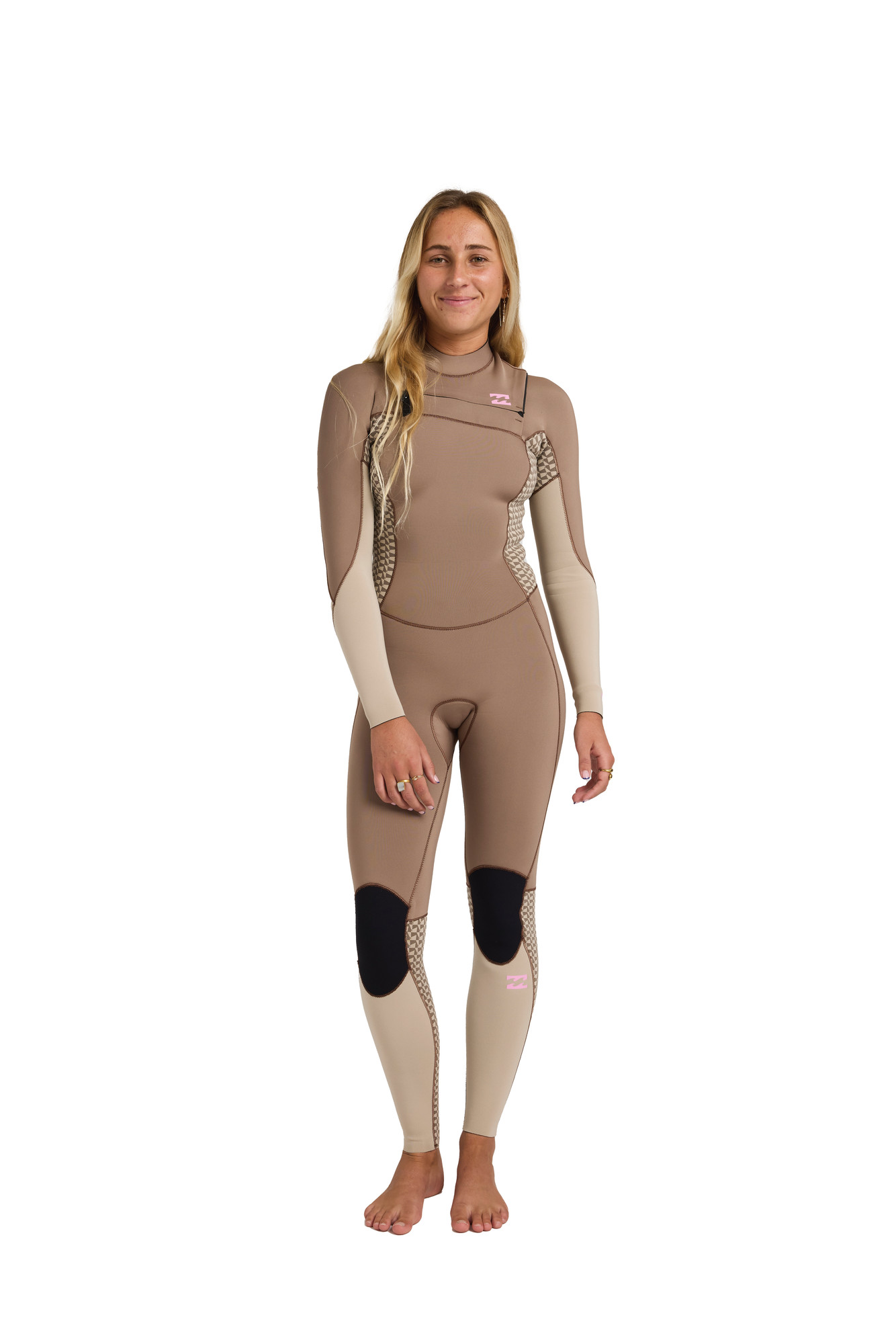
Billabong 4/3 Absolute Core Essentials
4/3 · 3/2mmChest zip
RRP: 4/3mm £200, 3/2mm £195
More details
C-Skins
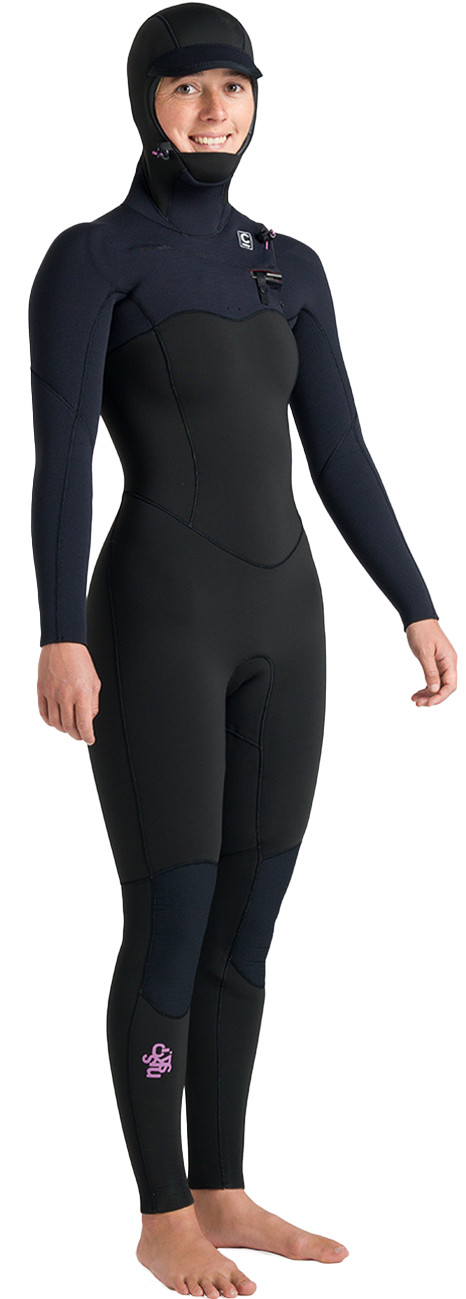
C-Skins NuWave Solace Chest Zip
5/4 · 4/3mmChest zipHooded option
RRP: 5/4mm hooded £280, 5/4mm £240, 4/3mm £230
More details
C-Skins
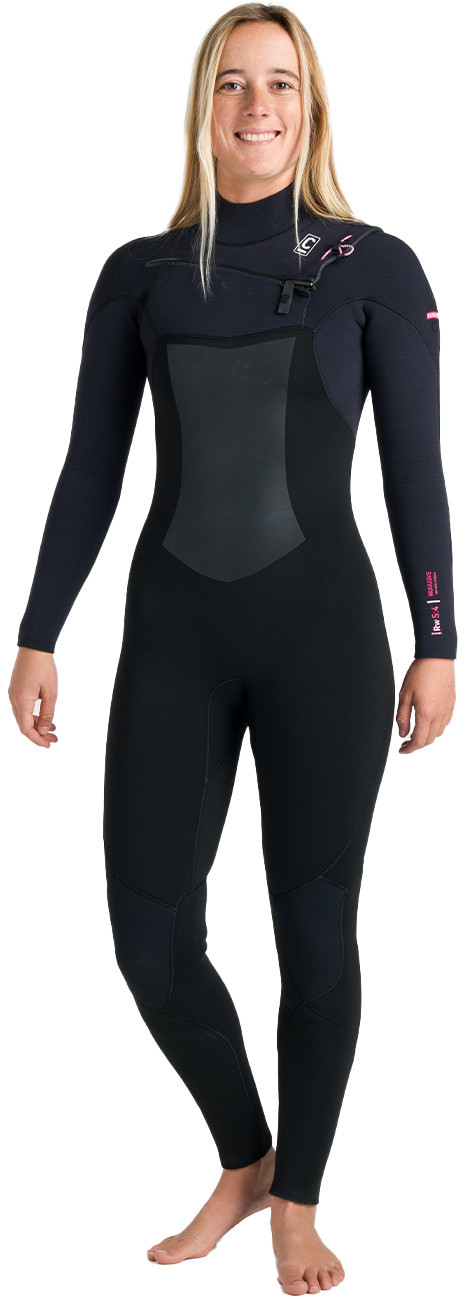
C-Skins NuWave ReWired Chest Zip
6/5 · 5/4 · 4/3mmChest zipHooded option
RRP: 6/5mm hooded £380, 5/4mm £320, 4/3mm £310
More details
C-Skins
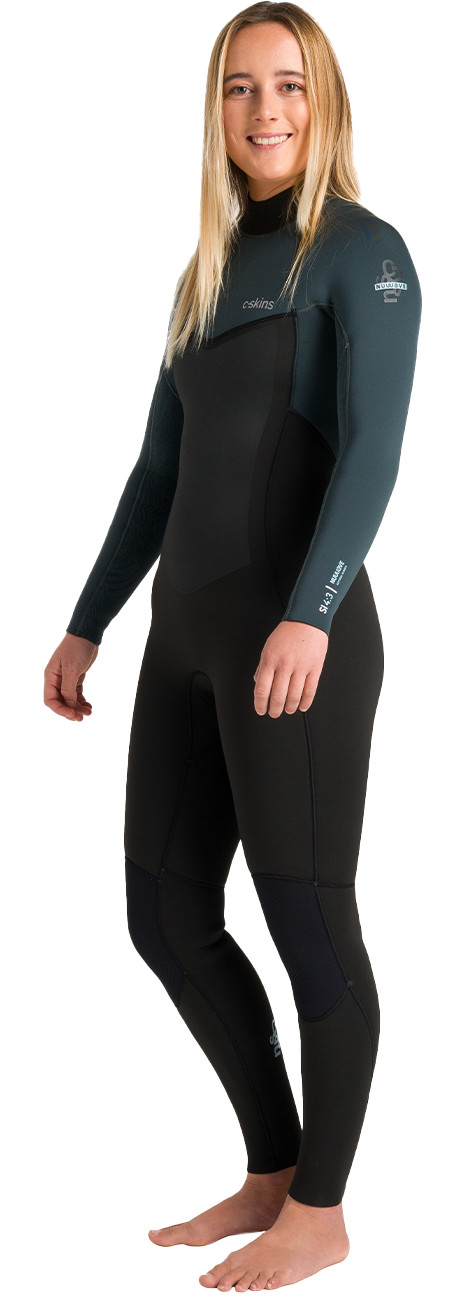
C-Skins NuWave Surflite Back Zip
5/4 · 4/3mmBack zip
RRP: 5/4mm £180, 4/3mm £170
More details
Finisterre
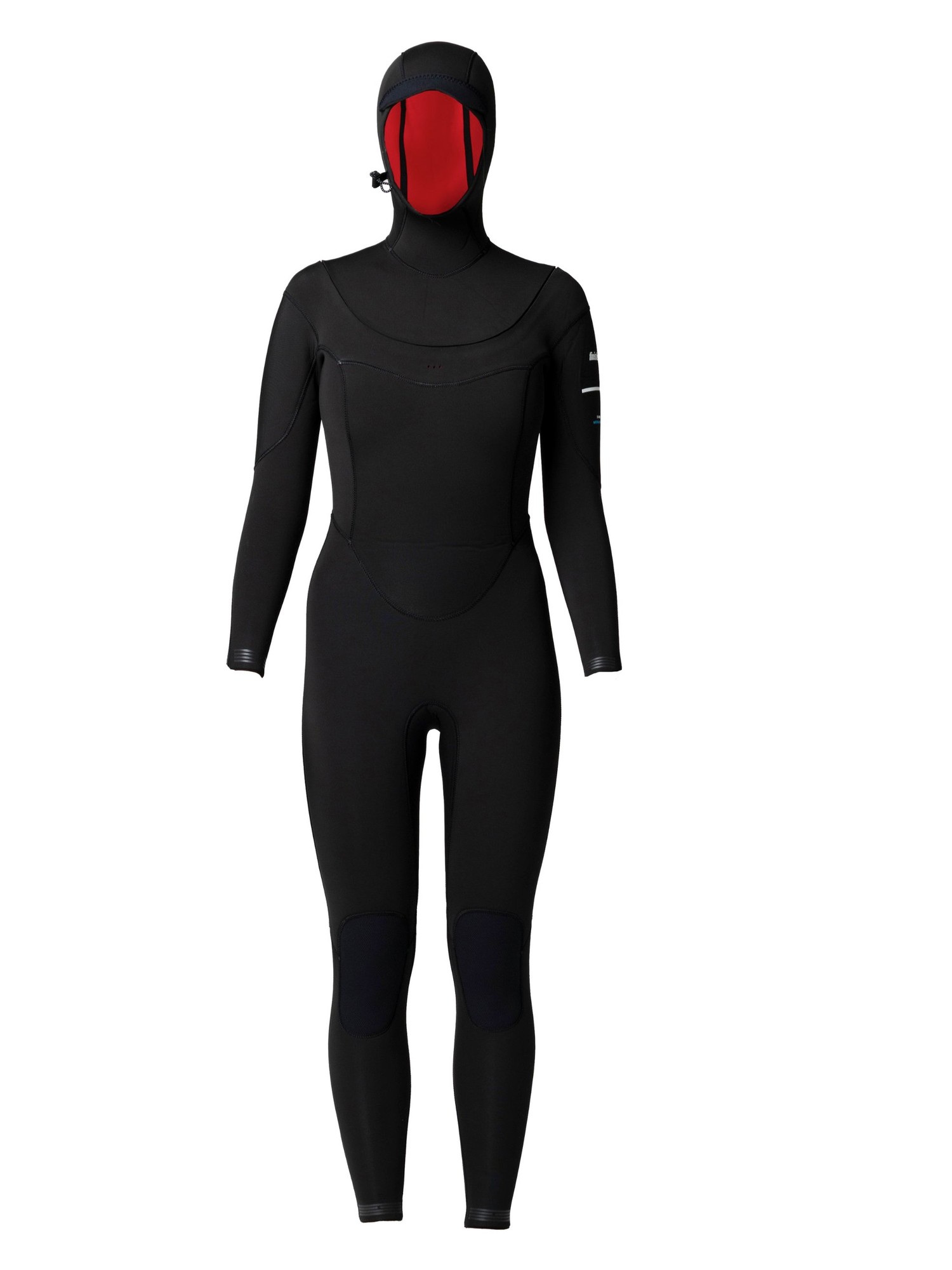
Women's Shearwater 5/4mm U-Zip Hooded Wetsuit
5/4mmU-ZipHooded option
RRP: 5/4mm Hooded £450
More details
Patagonia
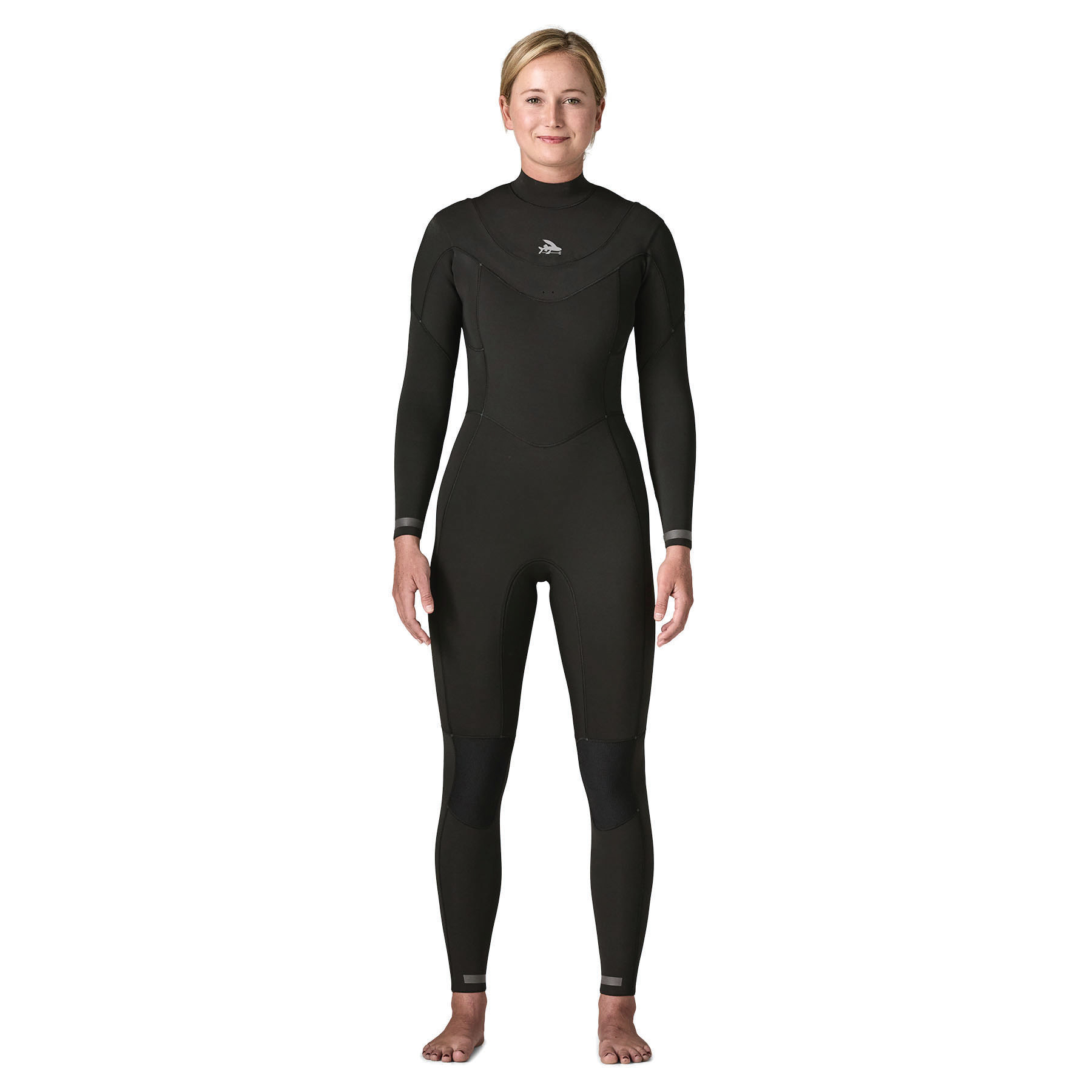
Patagonia Regulator® 4/3mm
4/3mmHooded option
RRP: 4/3mm (also available as Hooded) £470
More details
Patagonia
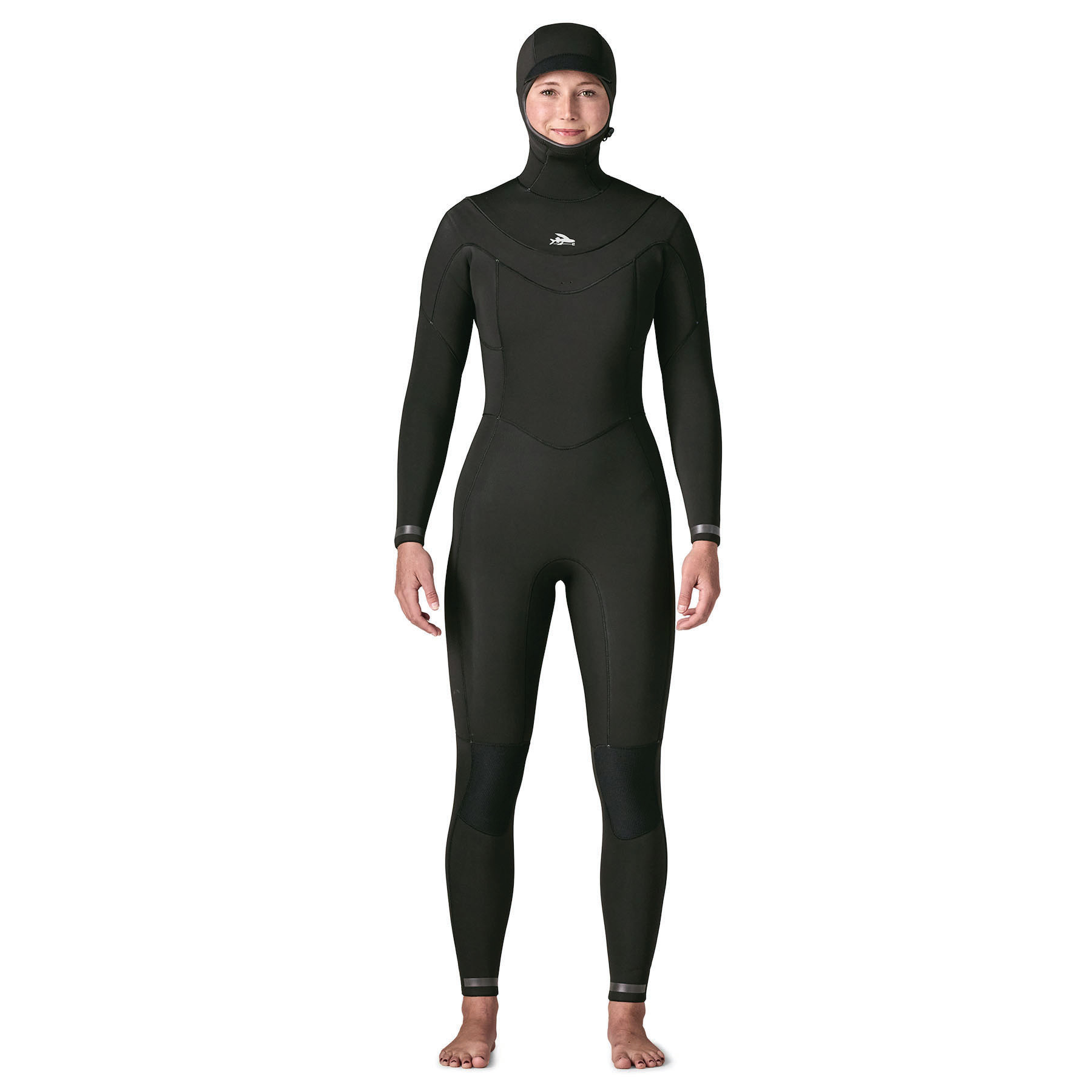
Patagonia Regulator® Hooded
5/4 · 6/5mmHooded option
RRP: 5/4mm Hooded £530, 6/5mm Hooded £560
More details
Rip Curl
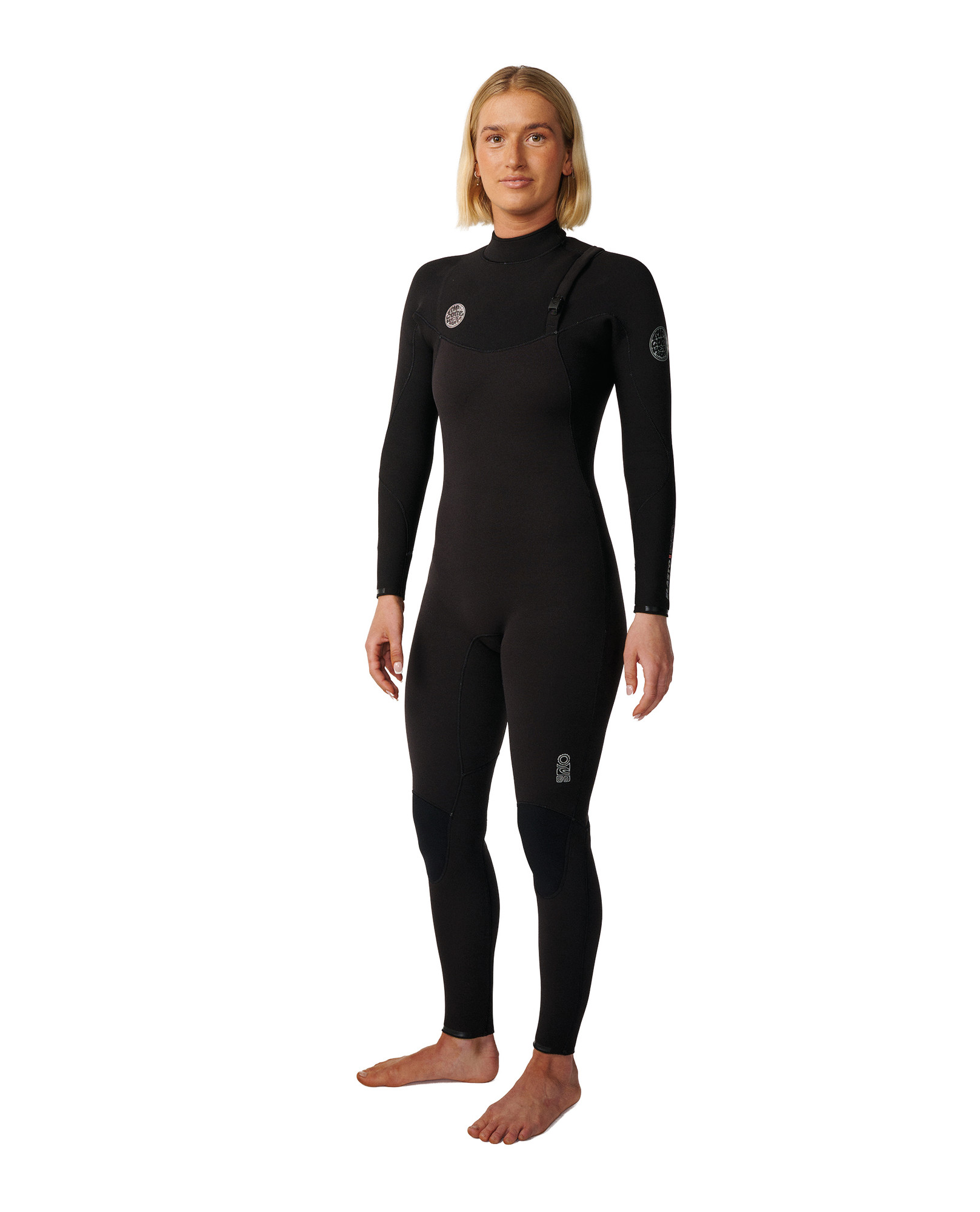
Rip Curl Elasto Zip Free Wetsuit
5/4 · 4/3mmZip free
RRP: 5/4mm Zip Free £324.99, 4/3mm Zip Free £314.99
More details
Rip Curl
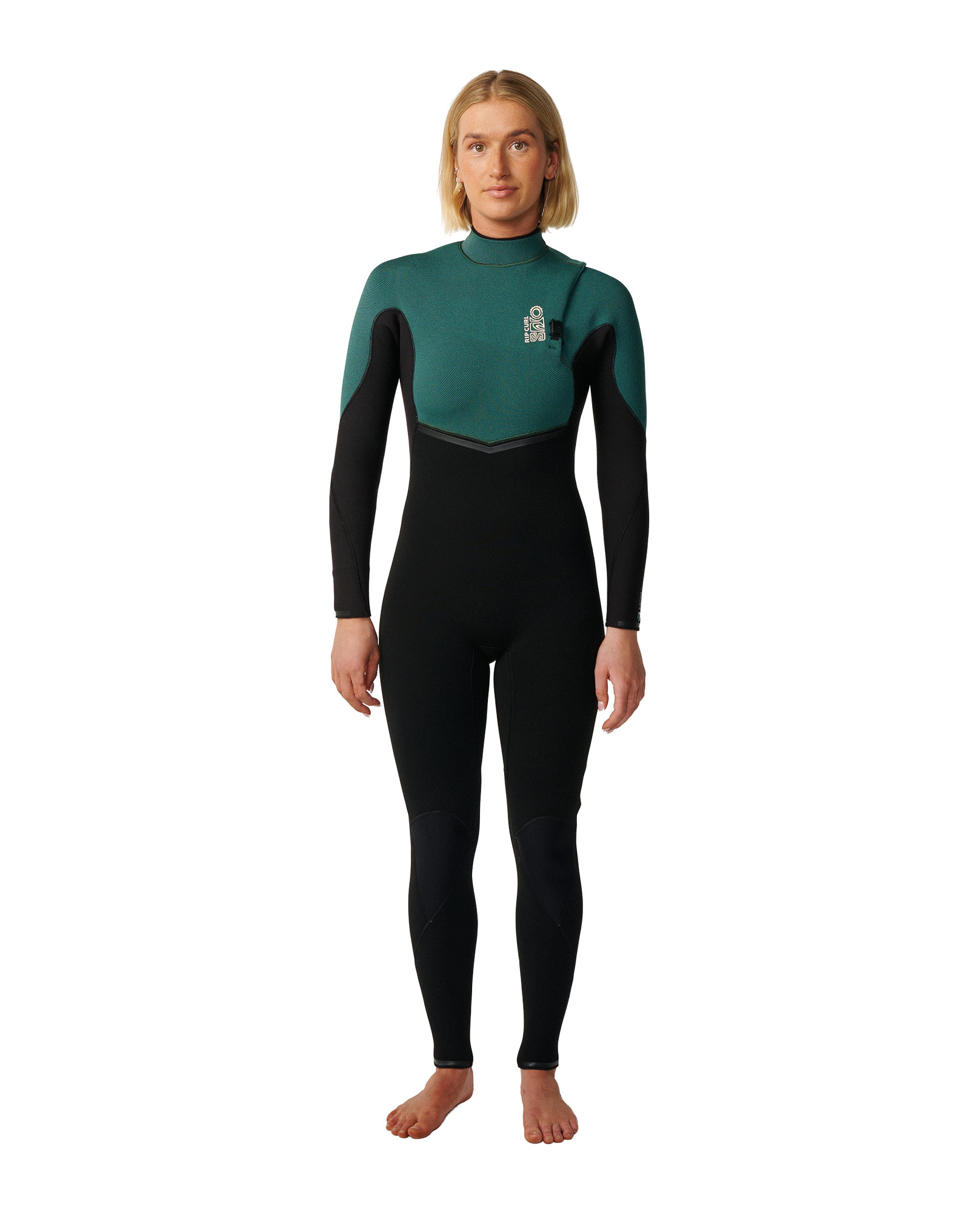
Rip Curl E-Bomb Zip Free Steamer Wetsuit
5/3 · 4/3 · 3/2mmZip free
RRP: 5/3mm £324.99, 4/3mm £314.99, 3/2mm £304.99
More details
Rip Curl
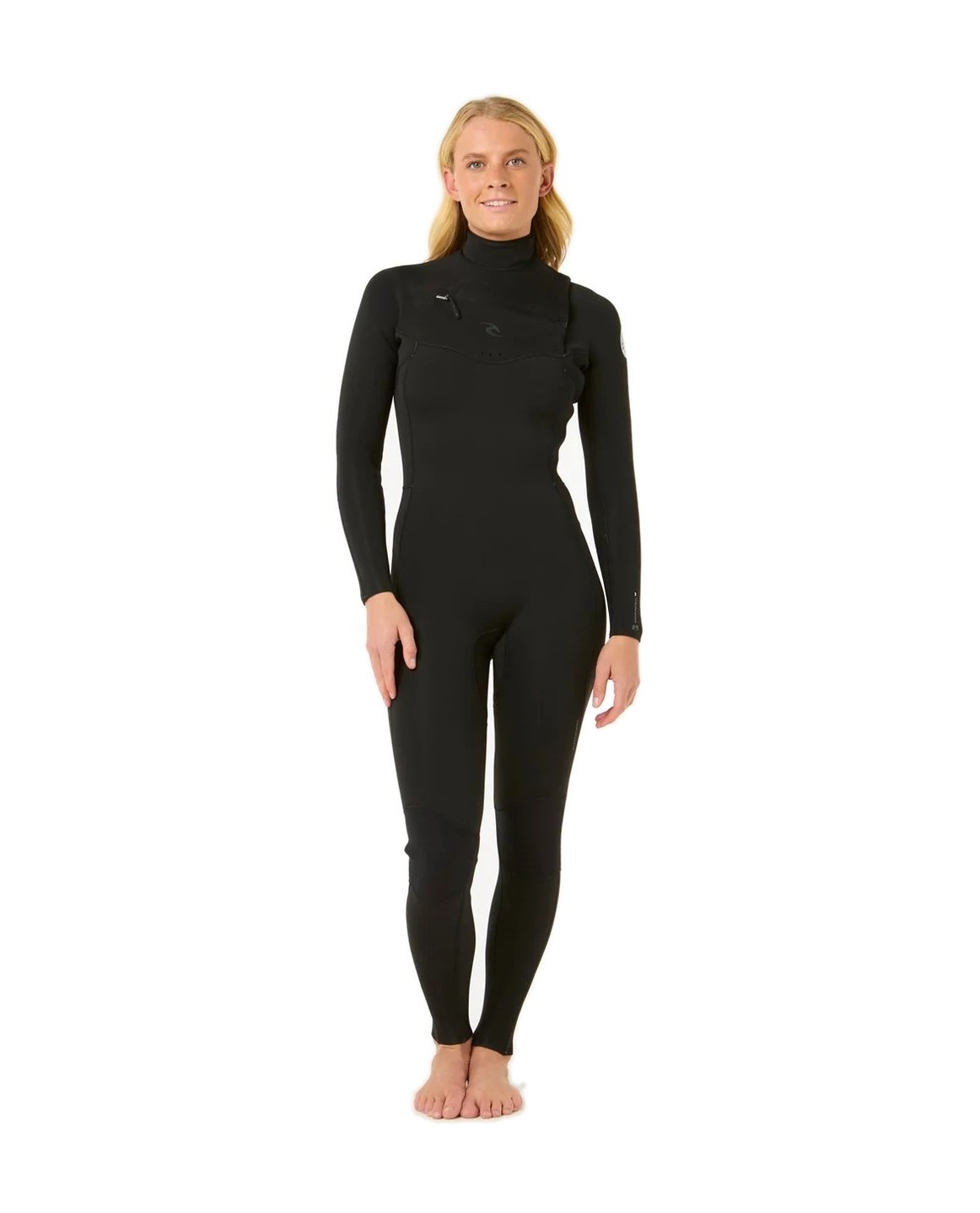
Rip Curl Dawn Patrol Chest Zip Wetsuit
5/4 · 4/3 · 3/2mmChest zip
RRP: 5/4mm £279.99, 4/3mm £269.99, 3/2mm £259.99
More details
Swipe to browse our picks
Warm up before paddling out
Don’t Forget the Winter Essentials
Even the warmest wetsuit won’t keep you comfortable if your hands, feet and head are freezing.

keep moving in the water
Make Your Wetsuit Last Longer
Your winter wetsuit takes a pounding: salt water, sand, icy temperatures, muddy car parks and the constant stretch of wriggling in and out of it. Look after it properly and it’ll stay warm and flexible for many more winters to come. Here’s how:

- 1. Rinse it after every surfRinse your wetsuit thoroughly with cold or lukewarm fresh water to remove salt, sand and grime. Avoid hot water, which can damage neoprene, linings and adhesives over time.
- 2. Get it dryThis is particularly important with thick winter suits and thermal linings, which can take a long time to dry. Turn the suit inside out first so the lining that sits against your skin dries as quickly as possible, then flip it once the inside is dry.
- 3. Dry it in the shadeAvoid radiators, tumble dryers, heaters and direct sunlight. It might be tempting to cook a soaking 5/4mm suit beside the fire before tomorrow morning’s session, but excessive heat can damage the neoprene and glued seams. Give it plenty of airflow and let it dry naturally.
- 4. Hang it properlyThick, wet winter wetsuits are heavy. Avoid leaving it hanging from a thin hanger by the shoulders, which can stretch the neoprene. Use a wide wetsuit hanger or fold the suit over a sturdy rail at the waist. A purpose-built wetsuit drying hanger can also help speed things up and keep it in good condition.
- 5. Use a changing matWinter car parks aren’t kind to wetsuits. Standing on gravel, tarmac or sharp stones while pulling your suit on and off can damage the neoprene. A changing mat or changing bag protects both your wetsuit and your feet.
- 6. Don’t leave it screwed up in the vanWe’ve all done it, but leaving a wet wetsuit bundled up in a bucket or changing bag encourages bacteria and bad smells, and can shorten its life. Get it rinsed and drying as soon as you can after your session.
- 7. Be careful taking it offCold hands and thick neoprene aren’t a great combination. Avoid digging your fingernails into the suit or aggressively pulling at cuffs, ankles and taped seams. Take your time – repeated small tears and overstretching are often what eventually finish a winter suit.
- 8. Store it properlyIf the suit isn’t going to be used for a while, make sure it’s completely dry before storing it somewhere cool and out of direct sunlight. Avoid leaving it tightly folded for long periods, which can create permanent creases in the neoprene.
Check the seams regularly for signs of wear and repair small holes before they become bigger problems.
A Few Final Cold Water Surfing Tips
Before heading out, check the forecast, tides and conditions, and always surf within your ability. Warm up before paddling out, keep moving in the water and don’t push yourself to stay in when you’re getting too cold.
Have warm clothes, a changing robe and a flask of something hot waiting for you afterwards. And if you can persuade a friend to join you, even better!
Winter surfing might take a little more effort, but with the right wetsuit and a positive attitude, there’s plenty of fun to be had. After all, some of the best waves arrive when the temperatures drop.