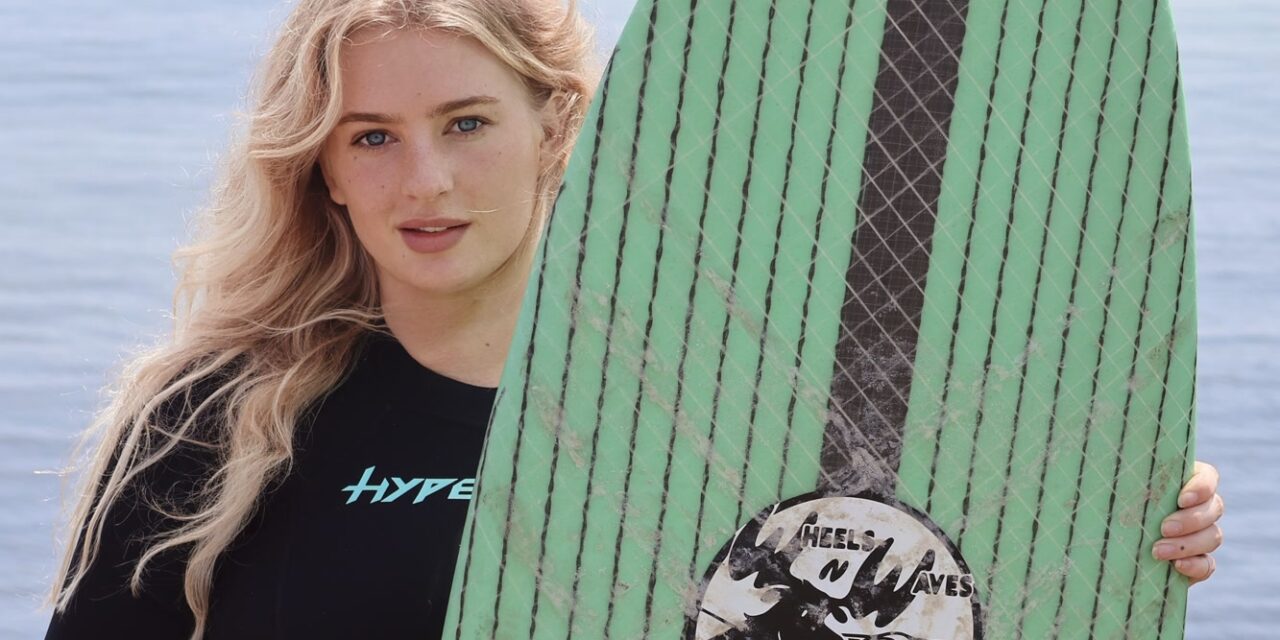

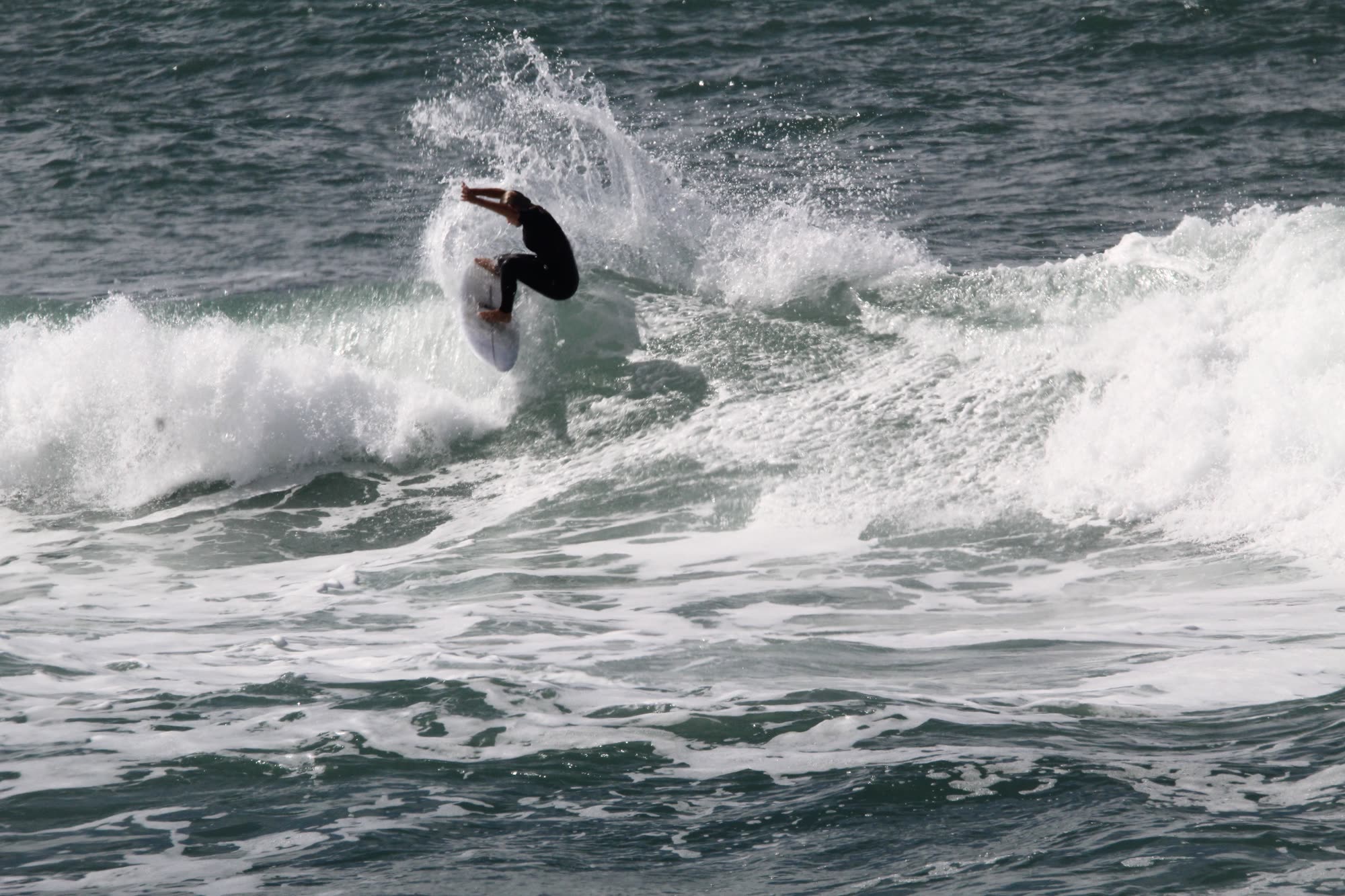
Photo by Anna Libby
Elise McCormack-Kuhman lives in Brazil and work on wave pools around the world as well as running her own surf company. We get the lowdown from Elise on her cool job and how she manages to get a good work/life balance.
Elise, what’s your job?
I’m an engineer who helps design and build wave pools, and I’ve worked on projects for companies like Endless Surf and Kelly Slater Wave Company.
Alongside that, I recently co-founded a surf company with my partner, Arthur, called Club Atlantic down in Brazil. It’s been really exciting to take everything I’ve learned from years of working in the surf industry and put it into something of our own.

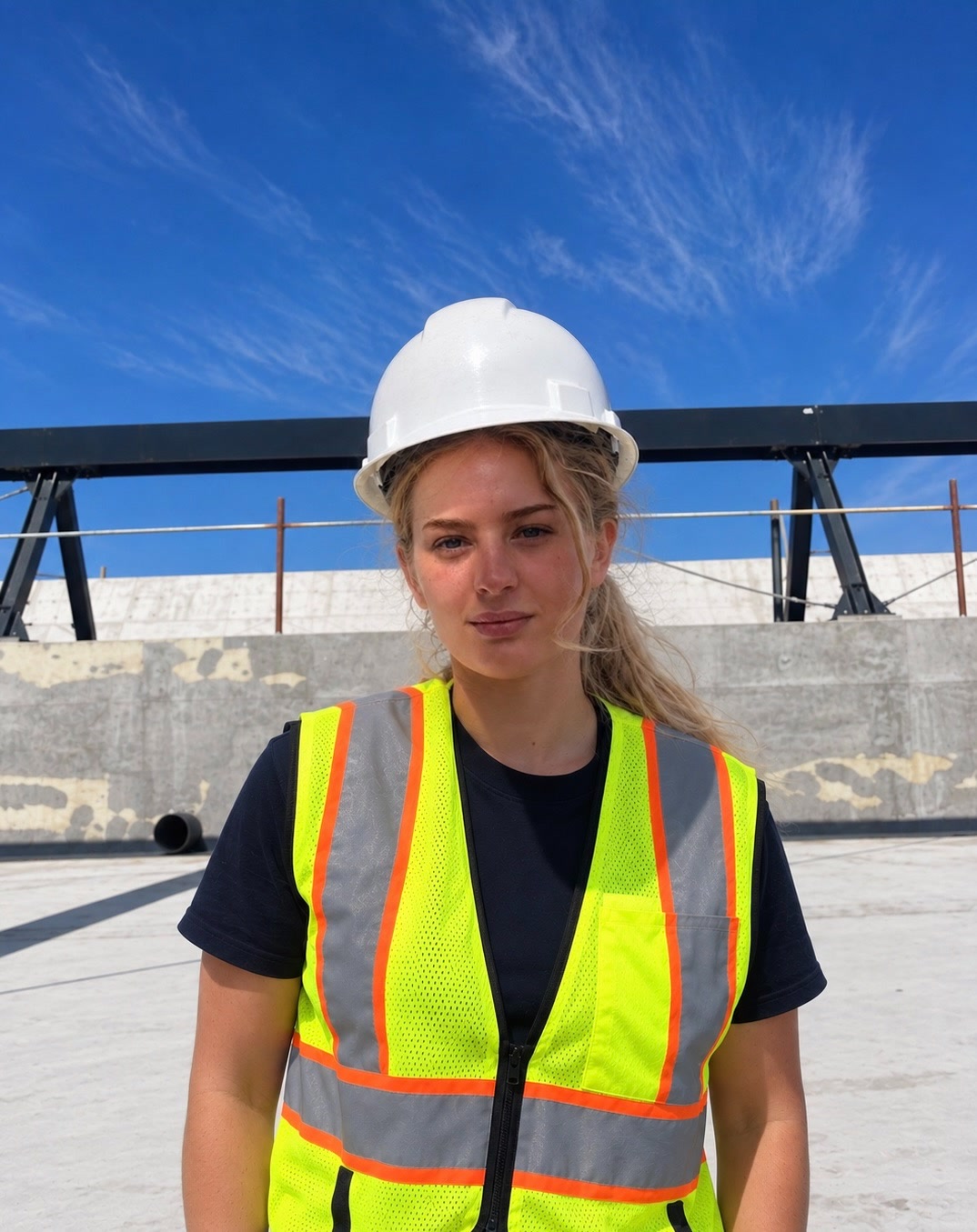
Sounds exciting! What does your job involve?
My work is kind of a mix of science, engineering, surfing, and now entrepreneurship.
On the wave pool side, I’ve worked on everything from modelling waves using fluid dynamics, to site selection, project management, construction, and more general engineering. I’ve been lucky to follow projects from the early design stages all the way through construction and eventually to surfing the finished waves, which is a pretty amazing thing to experience as an engineer and a surfer.
I’ve worked on wave pools all around the world and in different stages of development. Some that I’ve worked on are the two KSWC locations, Surf Ranch and Surf Abu Dhabi, and several Endless Surf lagoons like O2 Surftown Munich, Aquarabia, Adrena, and a few more that are opening soon in Florida, Brazil, and Mexico.
What I do for these projects ranges massively and is largely dependent on their stage in development. There are three main stages I’ve focused on, design, construction, and maintenance. For wavepools still in development there is a lot of engineering, math, and fluid dynamics that go into creating the design. Once the design is finalised there is the construction and installation which is a lot of project management, troubleshooting issues, and overseeing progress to make sure it runs smoothly. And once the lagoon begins operating the machinery needs to be maintained, for example Surf Ranch requires a lot of work to maintain the equipment because it is operational for long hours, every day, and has been for years. Significant planning and engineering is needed to keep it running well. Also when a new discovery or update is made with the technology I help find a way to implement it into the old design. In tandem to project work I also spend a lot of my time doing research to improve the technology which can then feed into individual projects.
Wave pools are such an interesting engineering challenge because you can spend hours looking at simulations and data, but at the end of the day you also have to understand what actually makes a wave fun to surf. Being able to combine the technical side with something I genuinely love is probably what drew me to the industry in the first place.
Then there’s Club Atlantic, which is completely different but something I’ve been dreaming about doing for a long, long time. Every day is a little bit of everything. We refurbish and shape surfboards, do ding repair and surf photography, host surf retreats, give surf lessons, and are slowly building the company into a community we can be proud of.

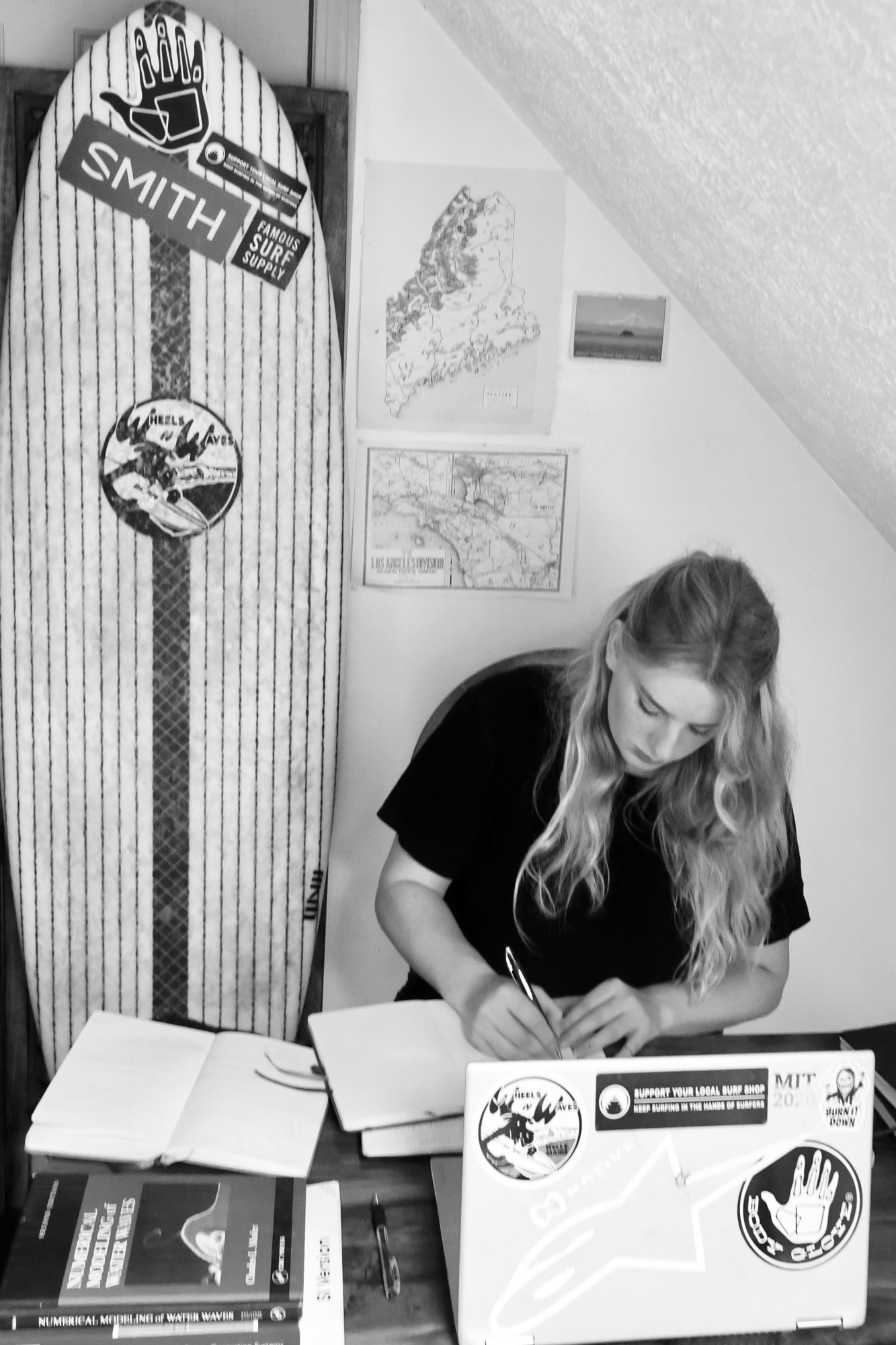
How do you you get your work/life balance right?
The best thing for me now is that I’ve finally been able to build my work around the life I actually want to live.
I’m a firm believer that life should come before work. I want time with my partner and our cats, to surf regularly, live somewhere I love, and still do work that interests me. Freelancing on wave pool projects while building Club Atlantic has given me a way to have both.
It certainly hasn’t always been like this. For a long time, I put my career before almost every other part of my life and was pretty miserable for it. It took me a while to be brave enough to step away from the more traditional career path and try something different. I only made that change recently, but I’ve never been happier.
Describe your typical day:
I don’t know if I really have a typical day, which is exactly how I like it.
One thing I learned about myself pretty early on is that I hate routine. So I’ve intentionally built a career where there’s always some variety. One day I might be on my laptop modelling waves, another I might be on a construction site, another covered in resin fixing an old surfboard or in the water giving a surf lesson. It can definitely be chaotic at times, but I love that I’m rarely doing the same thing twice.
What’s the biggest challenge?
The biggest challenge for me has been fighting to be taken seriously in a male-dominated field. In engineering and surfing, there have been great strides, but it’s easy to still feel like an outsider. I’m hopeful this will continue to change, though, as more women push themselves into the industry.
How did you get the job working at with wave pools?
It was definitely a healthy mix of luck and a lot of hard work. I was really dedicated to my studies and attended Massachusetts Institute of Technology (MIT), which massively benefited me when I was trying to break into the wave pool industry. Having MIT behind my name certainly got my foot in several doors that otherwise would have been closed. From there, I was able to build experience in this very niche combination of engineering, fluid dynamics, and surfing.
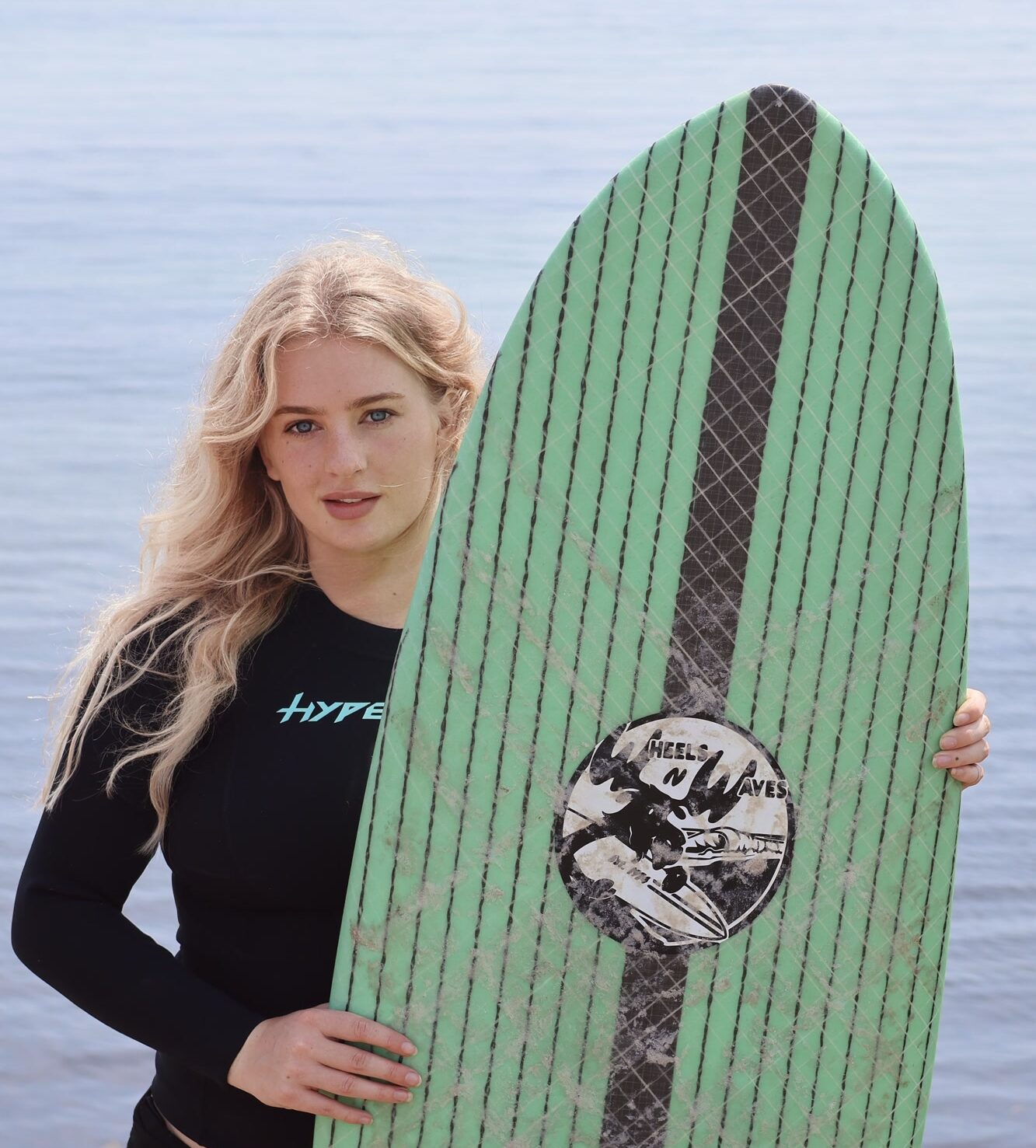
But my experience in the surf industry actually started long before wave pools. When I was in high school, I started working at a surf and bike shop in my hometown called Wheels n’ Waves. That was over a decade ago now but every summer when I visit home I always stop in to give some surf lessons or fix some bikes. I learned so much there, now it’s funny to see how much of that knowledge has come full circle as Arthur and I build Club Atlantic.
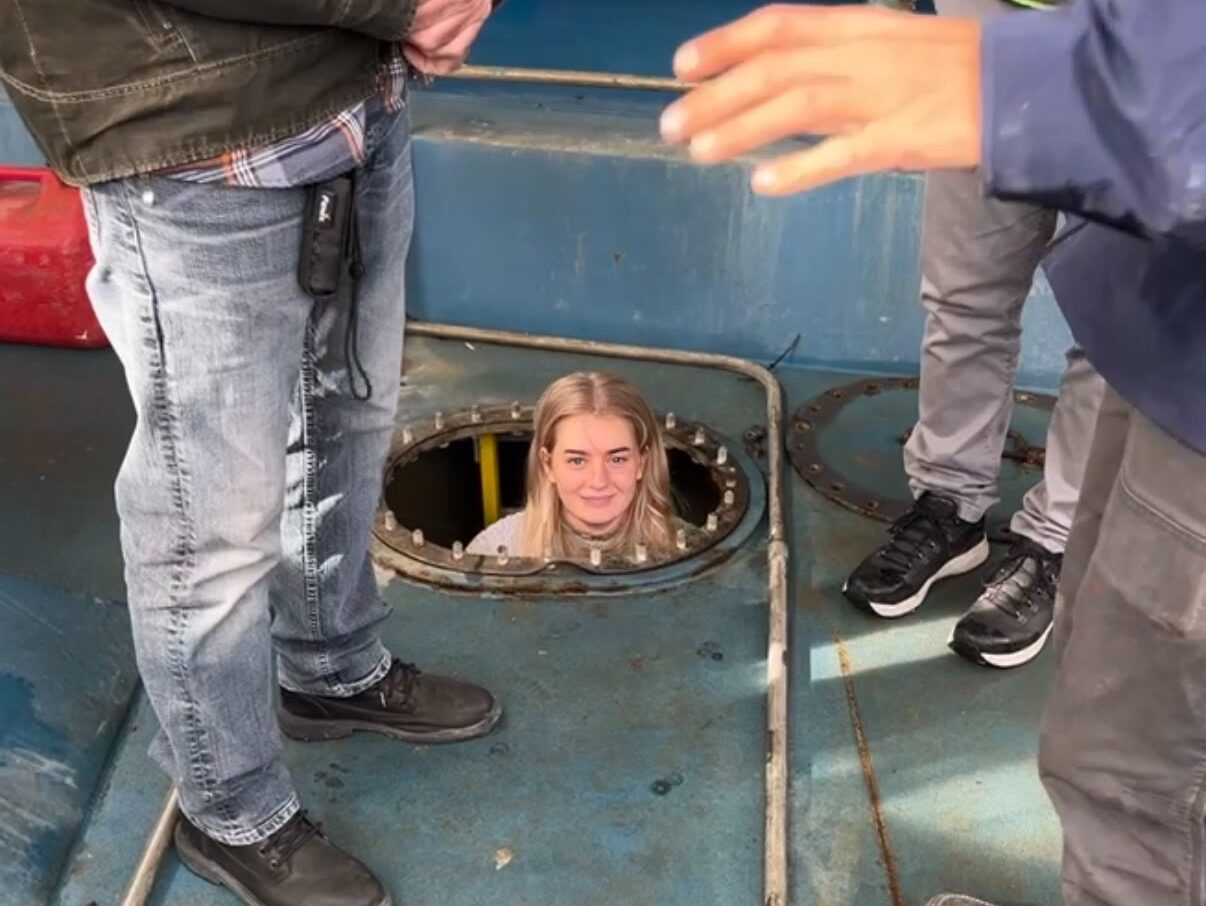

Do you make a good living from your work?
Engineering in general can be fairly lucrative, but the surf industry isn’t necessarily where you go if your main goal is to make the most money possible. As an engineer, there are certainly more profitable industries you could choose.
I think most people who choose to work in wave pools or the surf industry are there because they genuinely love it. It might be less money but the trade-off is having a very cool, very desirable job that, in my opinion, is much more interesting and fun.
For me, that balance has become much more important than chasing the highest possible salary. I’d rather be doing interesting engineering, building a business, surfing, and enjoying my life than making more money doing something I don’t really care about.
Given all your experience, what advice would you give someone who’d looking to start out?
My best advice is to take some time to figure out what you actually want your life to look like, not just what job you think you’re supposed to have.
Find the things you’re genuinely passionate about and figure out what’s important to you. Then comes the harder part of actually prioritising those things and pursuing them relentlessly.
I also think there’s a lot of value in combining skills that don’t necessarily seem like they belong together. Engineering and surfing probably sounded like a pretty random combination at one point, but it became my career. You don’t necessarily need to know exactly where it’s all going. If you keep learning, work hard at the things you care about, and are willing to take a few risks along the way, I find that things often have a way of working out.

If you want to know more about women with jobs in surfing follow the link below: