
In this series, we meet inspiring women carving out careers across the surfing world. From coaching and events to media, business, fitness and everything in between, they share what their jobs involve, how they got started, the challenges they’ve faced and the moments that make it all worthwhile.
First up, we catch up with Janina Zeitler and Karolina Strittmatter to hear about their journeys, what a typical day looks like and why they wouldn’t swap working in surfing for anything else.
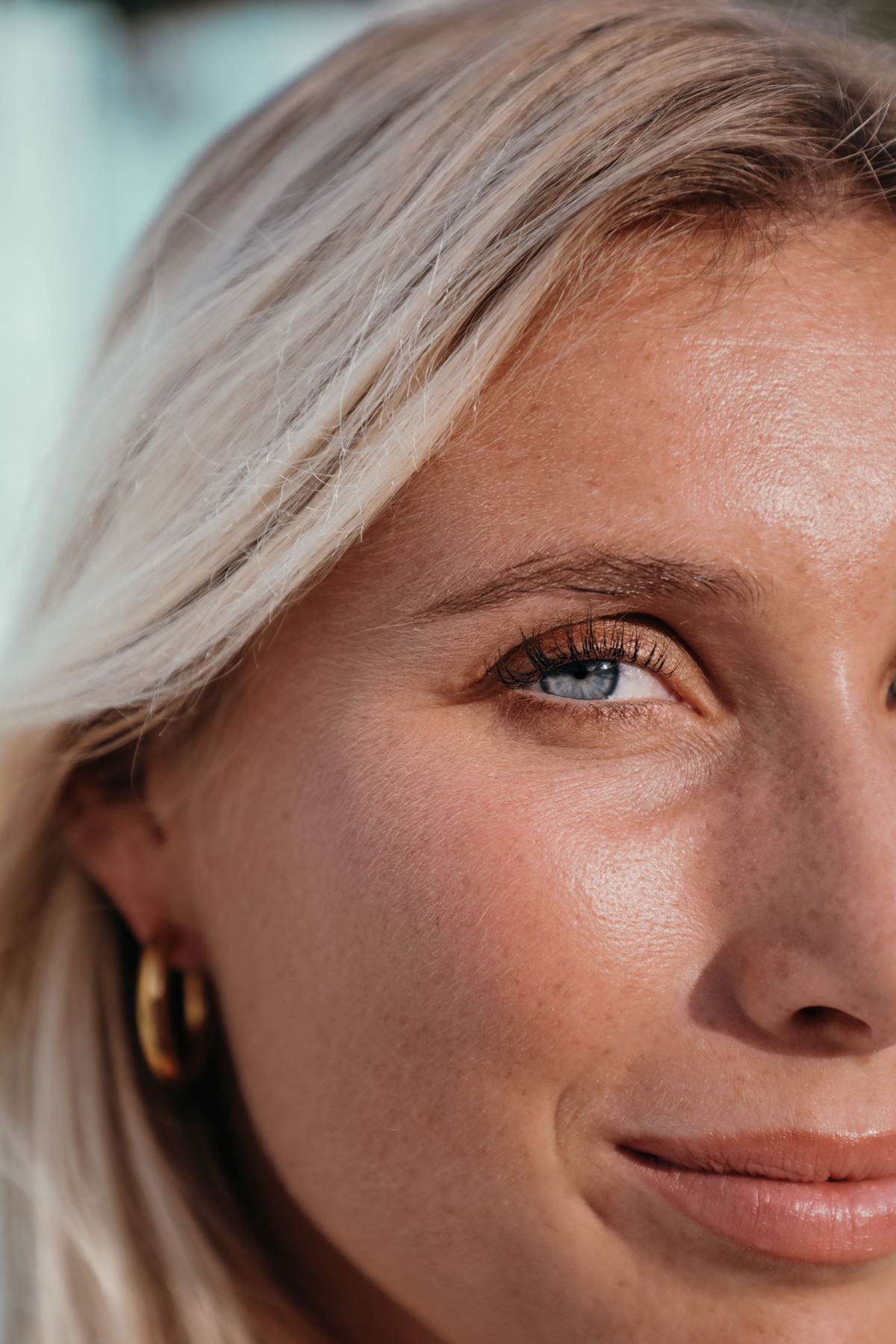
Name: Janina Zeitler, Germany
Janina whereabouts do you work?
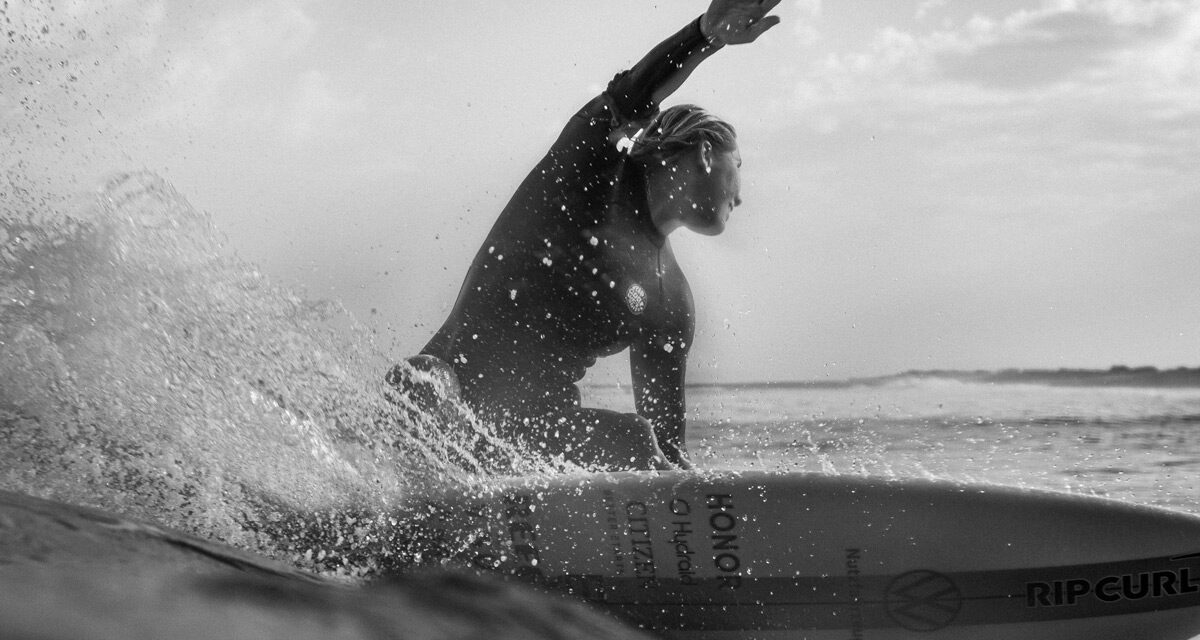
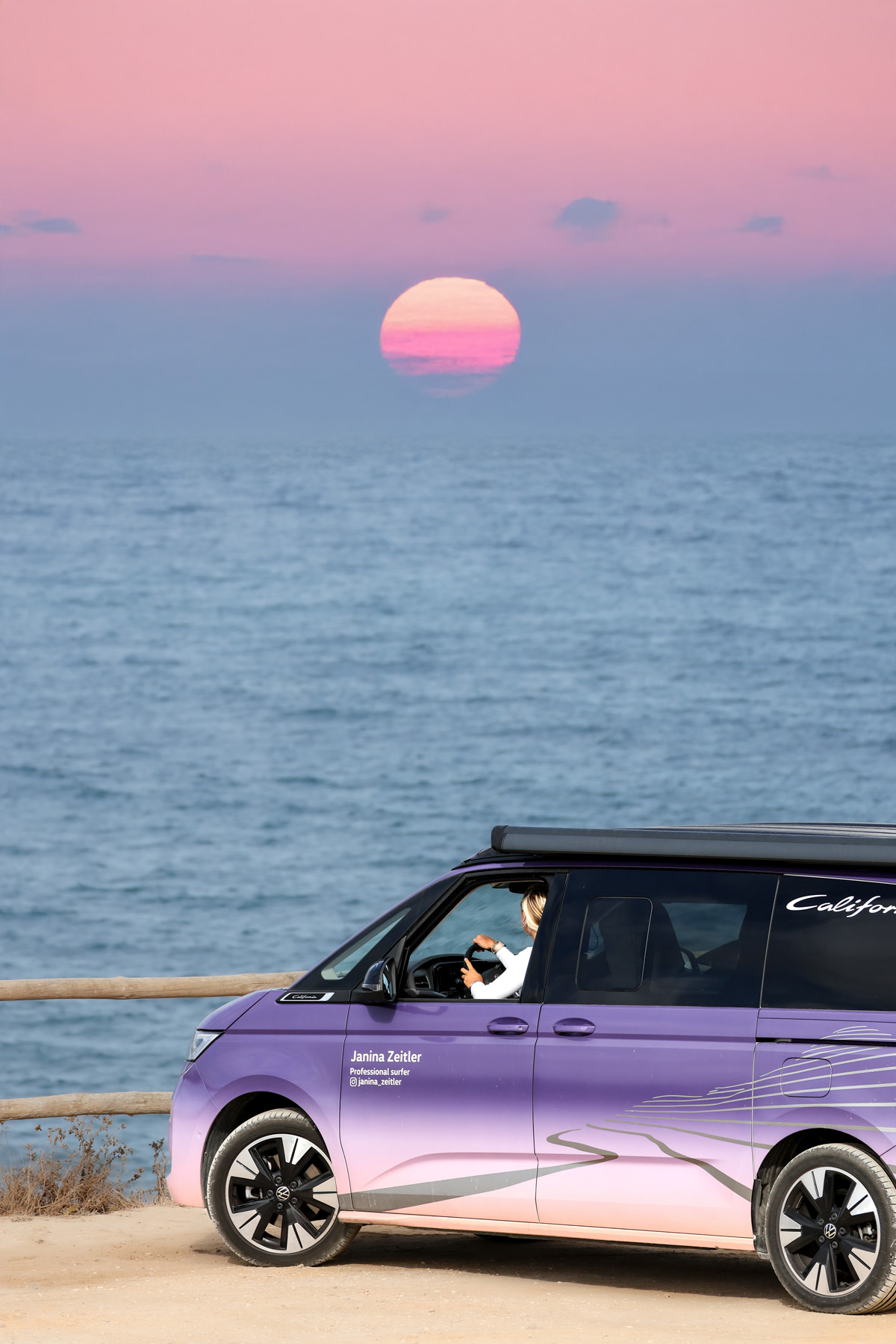
I was born and raised in Munich, Germany, and it’s still where I’m based today. But these days I often say I live out of my suitcase, or in my Volkswagen California van, wherever the waves take me. My job has me constantly travelling around the world between training camps and competitions, always chasing the next swell.
Who do you work for and what does the job involve?
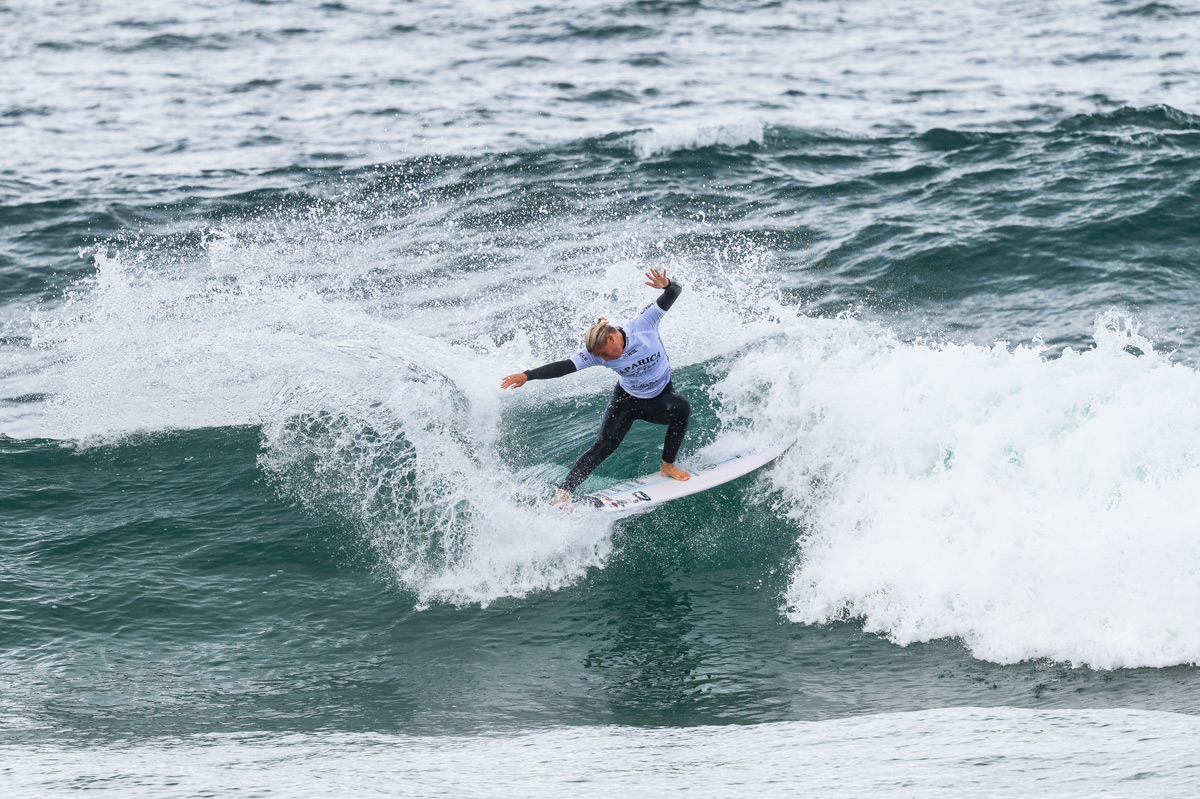
I’m a professional surfer, National Team Athlete, competing on the WSL Qualifying Series and beginning my Olympic qualification journey. Alongside training and competitions, I also run my own media production company, JZ Media (jzmediaproductions.com) together with my partner, creating campaigns and storytelling for brands.
What does your typical day look like?
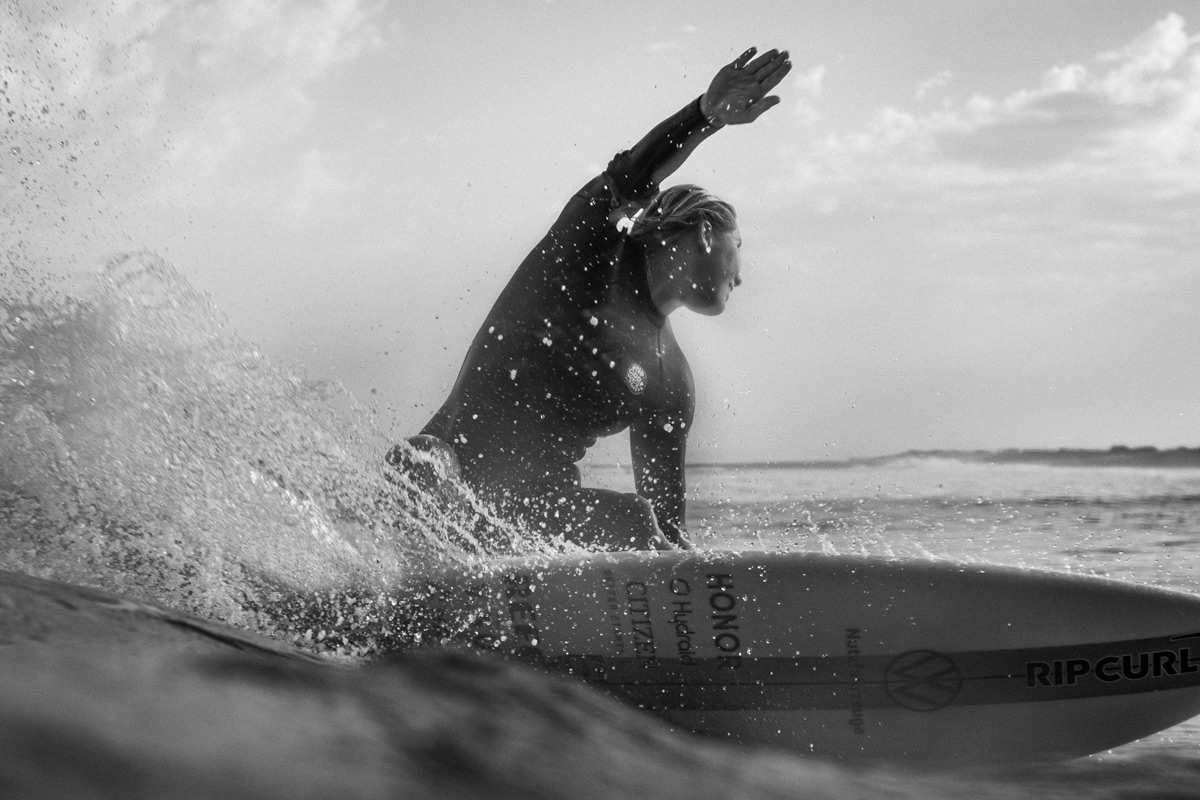
There really isn’t a typical day. Some mornings start before sunrise with a surf session, while others begin by checking forecasts and deciding where the best conditions will be. The ocean sets the schedule, so no two days are ever the same. Ideally, I aim to spend 4-5 hours in the water every day, alongside a gym session, recovery, video analysis and everything that comes with being a professional athlete. Then, once I’m out of the water, another part of my job begins: meeting with partners, filming campaigns, creating content, editing, answering emails and planning upcoming projects. That’s what makes this lifestyle so exciting, but also one of its biggest challenges. You can plan as much as you want, but in the end you’re always working around the ocean, the weather and travel, so being adaptable and spontaneous becomes part of your job.
What’s the best part of your job?
Definitely the freedom to build my own path.
Coming from Munich, a city thousands of kilometres away from the ocean, people told me becoming a professional surfer wasn’t realistic as it had never been done.
Being able to prove that it is possible, while inspiring others to chase unconventional dreams and witnessing first hand the impact of my journey in the development of the sport in the region is incredibly rewarding.
What’s the biggest challenge?
Probably the constant travel and uncertainty.
Training and competition schedules depend on the ocean, weather changes everything, and you’re constantly adapting.
On top of that, surfing isn’t really sport with huge financial support in Germany by itself, so building a sustainable career requires a tremendous amount of work and commitment.
How did you get your job / what experience do you need?
I actually started surfing on the Eisbach river wave in Munich. From there I became German and European Champion in Rapid Surfing before making the transition into ocean surfing. It took years of training, countless hours in the water, sacrifice, learning from setbacks and gradually building relationships with partners who believed in my journey. More than anything, I think you need persistence, curiosity and a genuine love for the sport.
Do you make a good living from it?
Today, yes, I’m fortunate that I’ve been able to build a professional career around surfing. But it certainly is something one can’t take for granted and that requires a constant effort to maintain and grow, as the income is dependent on the partnerships and entrepreneurial projects you have. Building that ecosystem has taken years and is something I’m really proud of.
What advice would you give someone who’d love to work in a similar job to yours?
If you have a dream, don’t wait for the perfect timing or the perfect conditions to chase it. Just go for it. If I had waited until I lived by the ocean or had someone relatable to look up to, I definitely never would have become a professional surfer. Start with what you have, make the most of every opportunity, stay consistent and don’t be afraid of carving your own path. Sometimes the biggest advantage comes from having to find your own way.
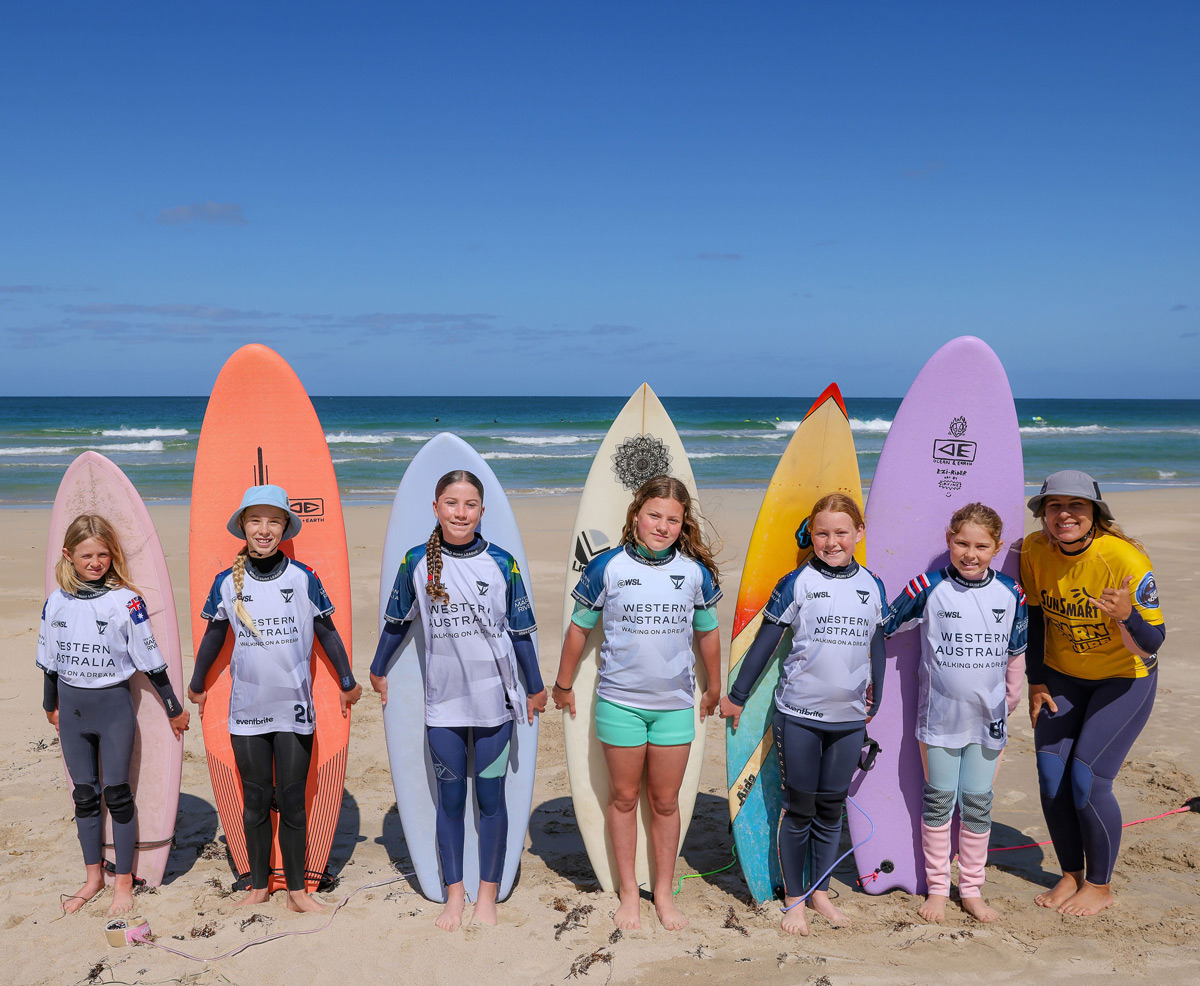
Name: My name is Karolina. I am originally from Lithuania, but I now live in Perth, Western Australia, where I work as a surf coach!
Karolina, who do you work for and what does the job involve?
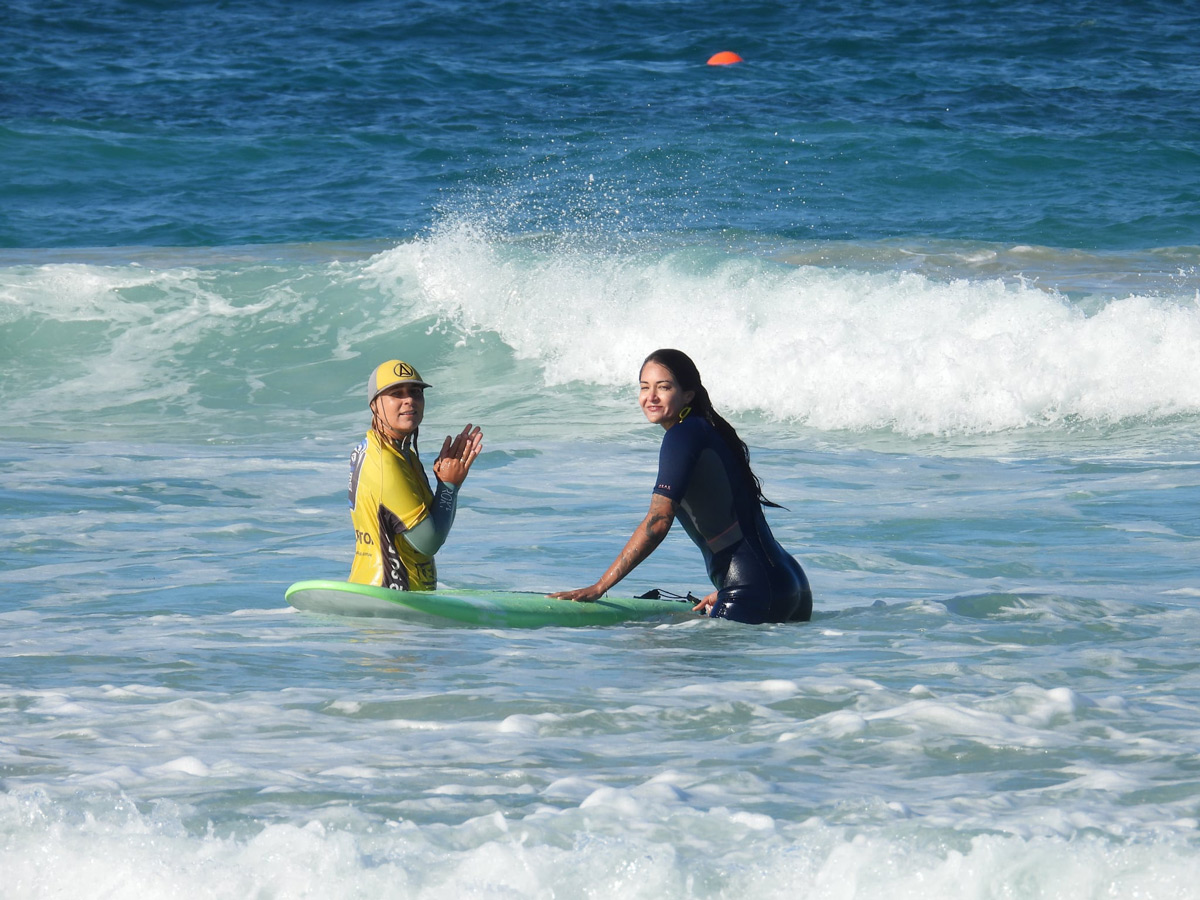
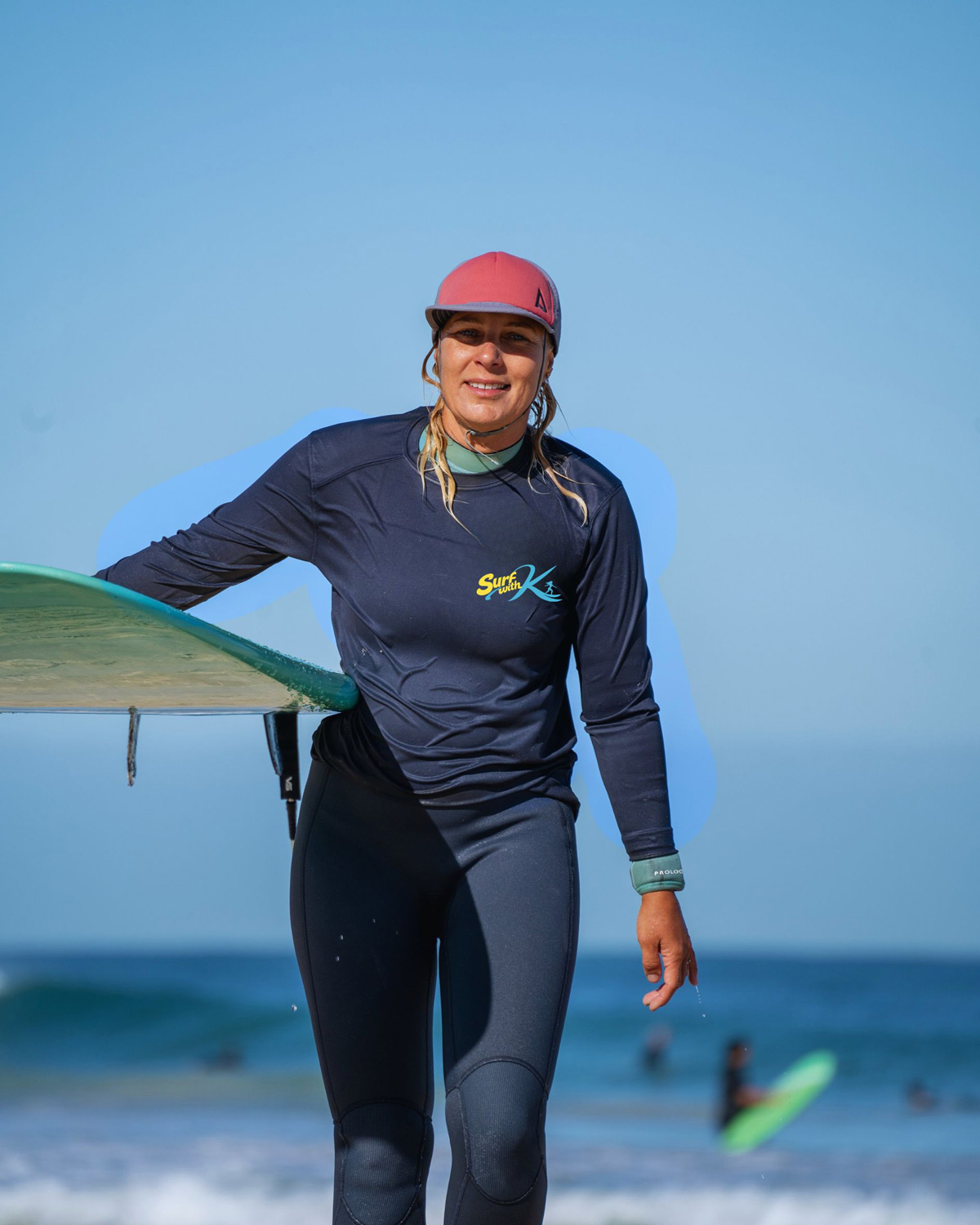
I work for a local surf school. I’m also building up my own coaching brand – Surf with K!
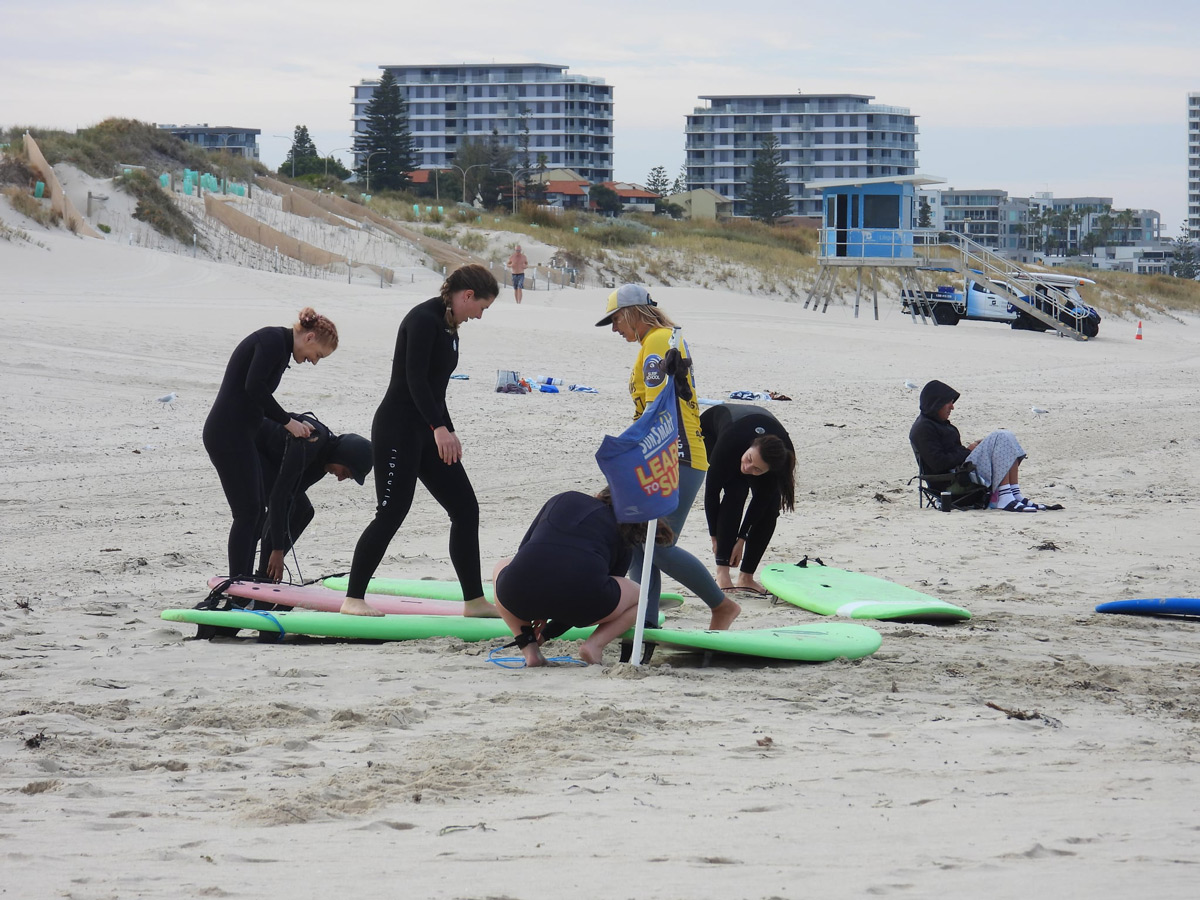
On paper, I’m a surf coach, but teaching people how to surf involves so much more than just riding waves. It’s about ocean safety, reading the weather and wave conditions, understanding surf etiquette, and most importantly – learning how to have fun. I picked up surfing myself in my mid-30s, and that personal journey completely changed my perspective. Now, I teach from my own experience, and I especially love working with women, encouraging them to step out of their comfort zones and discover surfing as their own ultimate escape and freedom.
What does your typical day look like?
My days start very early with a cup of coffee and a peanut butter sandwich, followed by packing lunch boxes for my family. Depending on the schedule, my first stop is always the beach to check the surf conditions for the upcoming lessons (or for my own quick surf!). Once my wetsuit goes on around 6:00 AM, it’s basically my second skin until late afternoon – sometimes stretching all the way to a sunset session.
What’s the best part of your job?
The best part of this job, without a doubt, it’s the pure joy and stoke people feel when they catch a wave. Seeing that massive smile and raw happiness on their face pays for all the hard work.
What’s the biggest challenge?
Being a female surf coach comes with its unique pressures, you often feel challenged to prove you’re just as capable as the guys. While men might naturally have more strength and power in the water, we women bring incredible patience, resilience, and a deeply caring approach to teaching and explaining things. Regardless of the elements, there’s no room for feeling cold, tired, or achy when you’re on the job; you just have to lift your head up and go with it.
How did you get your job / what experience do you need?
Teaching runs in my family, in every generation, we’ve had an educator, so I guess it was my turn! Back in the day, I was a snowboard instructor and loved teaching, and after moving to Australia, I fell in love with surfing. I landed my coaching job thanks to my background and people skills. To do this, you need official coaching qualifications, strong swimming and surfing skills, and a whole lot of patience to work with all kinds of people.
Do you make a good living from it?
Surf coaching is a labor of love; you do it because you truly love what you do. It’s definitely more of a seasonal gig. Even here in Western Australia where winters bring amazing surf conditions (along with a bit of a chill), learner numbers tend to drop. But when the warmer seasons roll around, we are packed and having the time of our lives.
What advice would you give someone who’d love to work in a similar job to yours?
If you’re thinking about coaching – just go for it! Surf coaching is an incredible, fun job, but don’t underestimate how hard it is physically and psychologically. If you’re patient, love to laugh, and can encourage someone to paddle right back out to the lineup after a heavy wipeout, give it a go for a season. You might just stay forever!