
In this series, we meet inspiring women carving out careers across the surfing world. From coaching and events to media, business, fitness and everything in between, they share what their jobs involve, how they got started, the challenges they’ve faced and the moments that make it all worthwhile.
First up, we catch up with Allannah Brown and Tracy Naughton to hear about their journeys, what a typical day looks like and why they wouldn’t swap working in surfing for anything else.
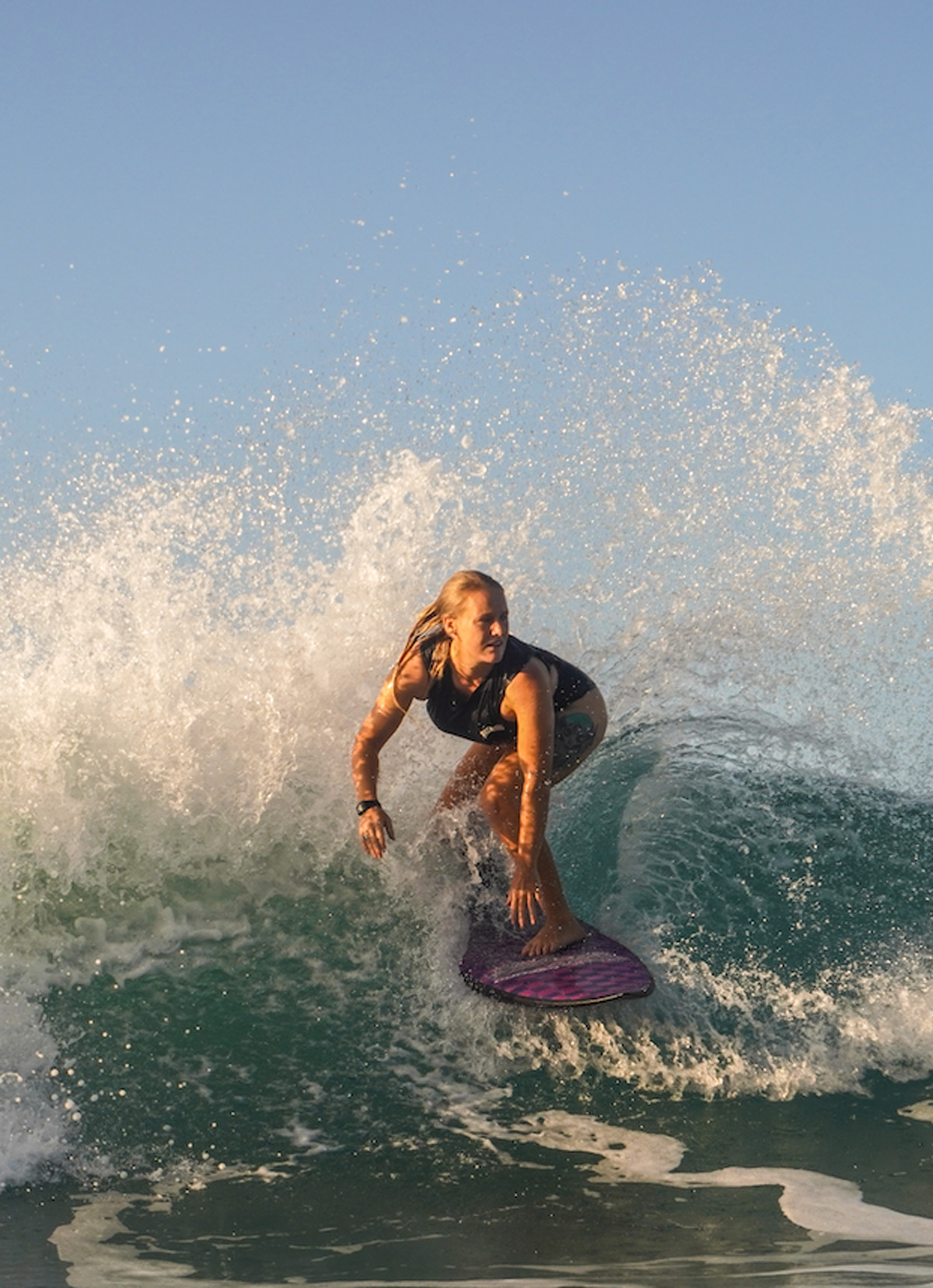
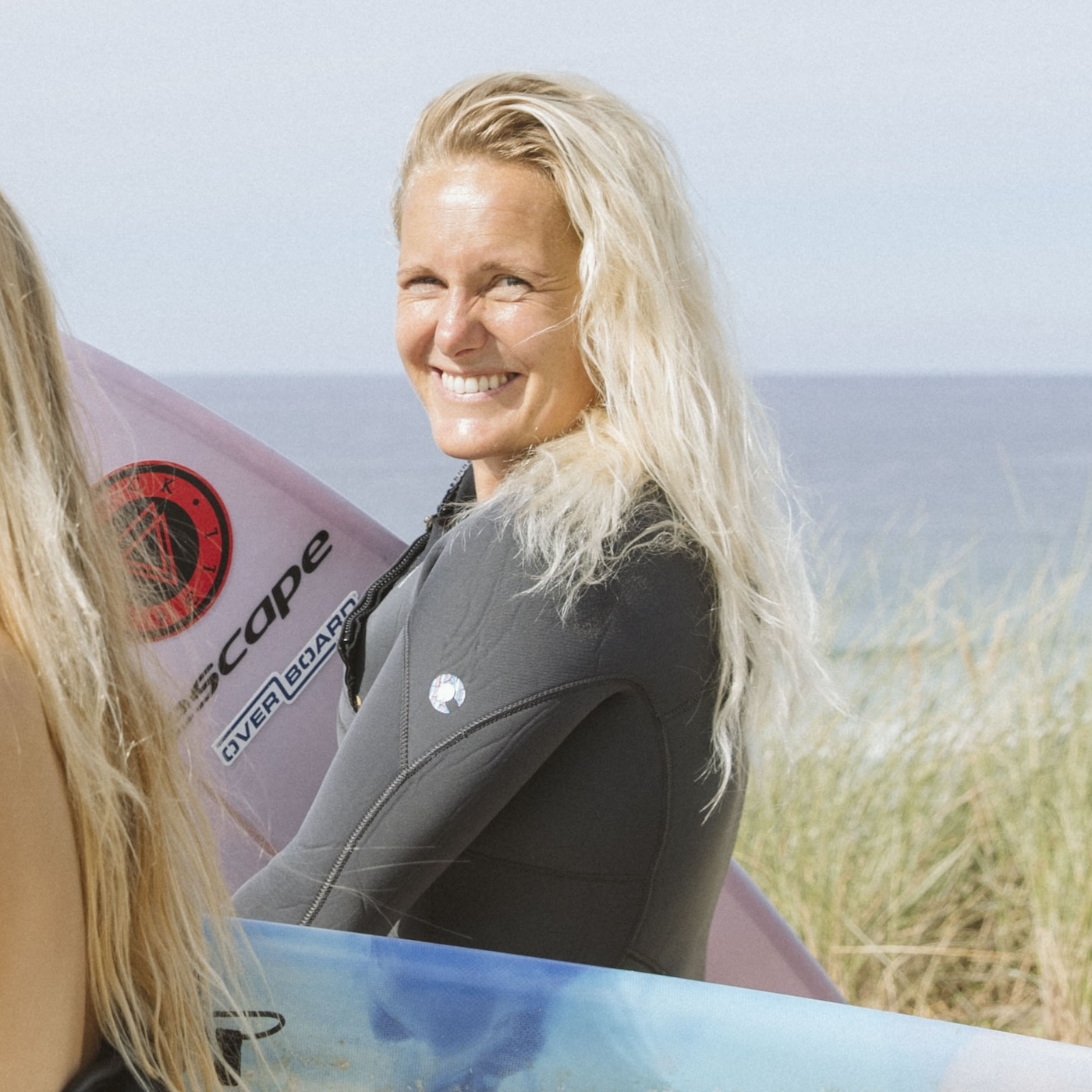
Name: Allannah Brown, Newquay, Cornwall / Worldwide
Allannah, who do you work for and what does the job involve?
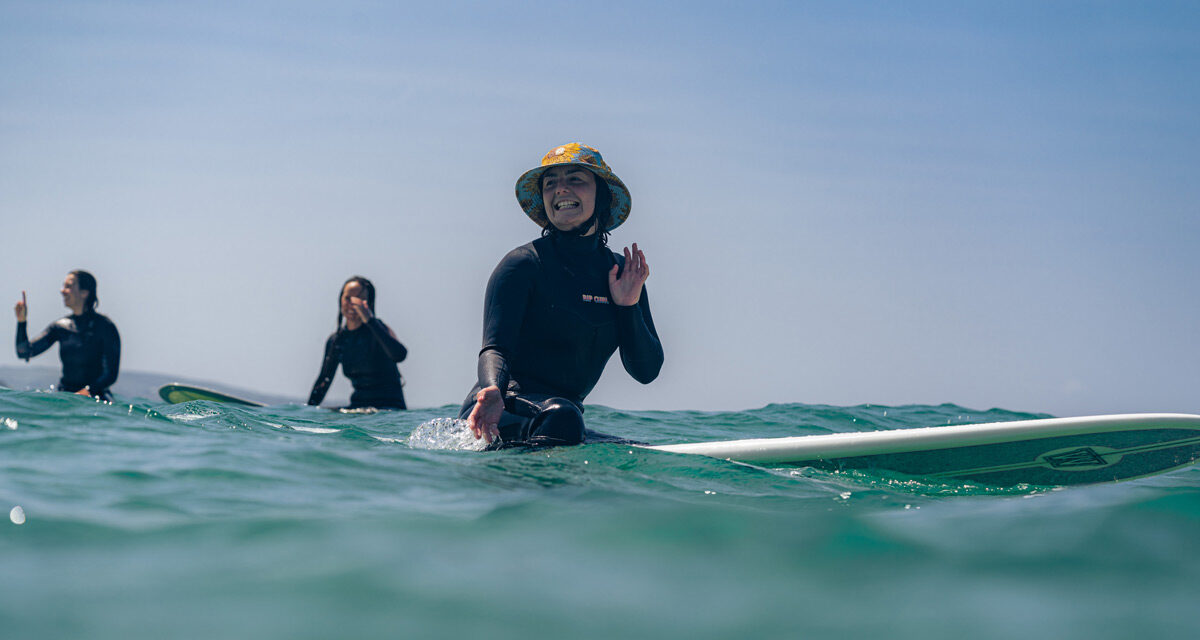
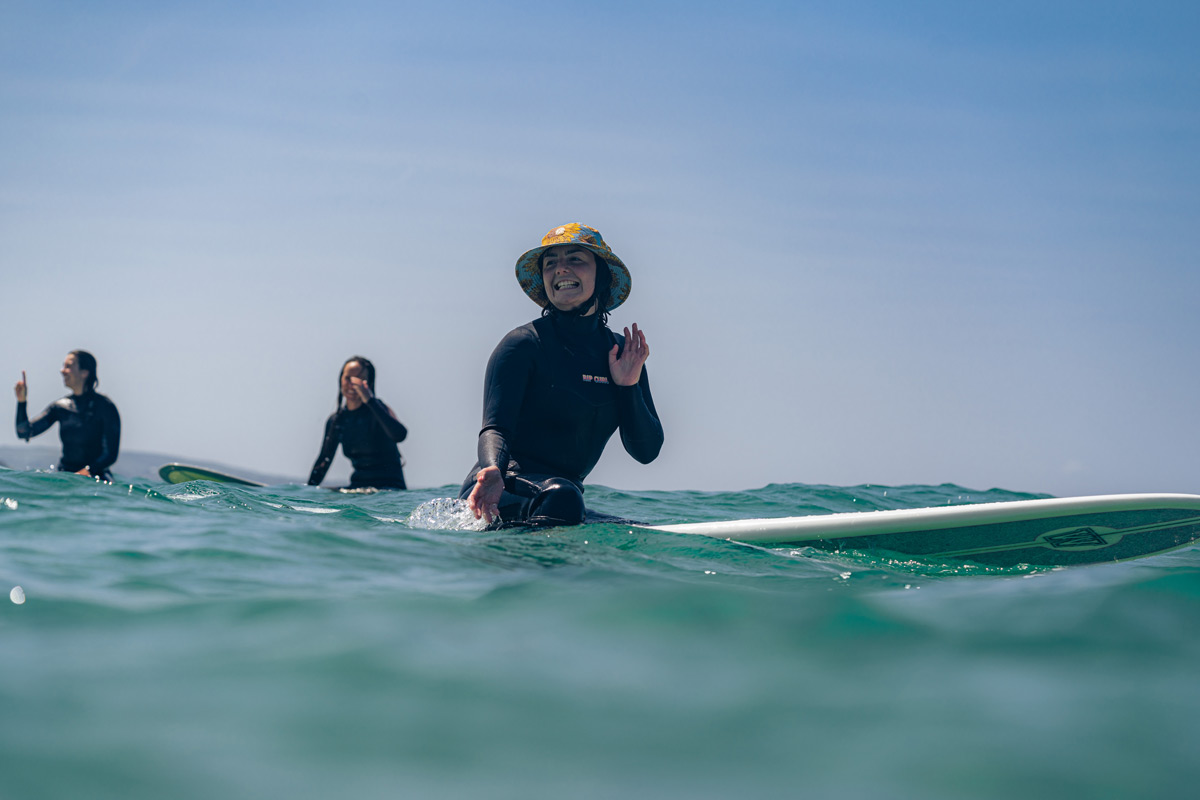
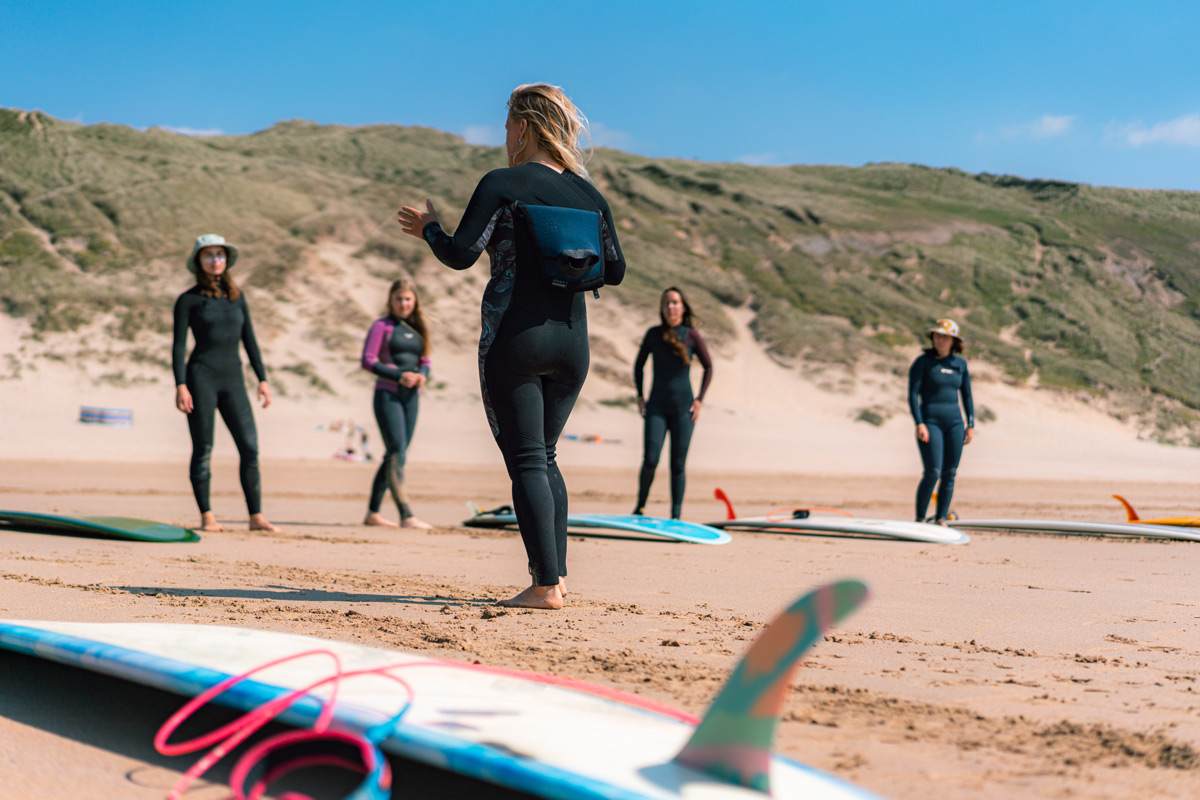
I’m the founder of Gather & Glide Surf Academy. I run surf courses and experiences for women in Cornwall, creating supportive spaces where people can learn to surf, build confidence, connect with nature and leave feeling stronger than when they arrived. I’m also the marketer, social media manager, website fixer, bookings manager, occasional therapist and professional tea drinker.
What does your typical day look like?
I get in the ocean first! Whether that’s a surf or a swim, I usually need a cheeky hit of vitamin sea before cracking on with the day. Then it’s laptop time: answering emails, planning courses, creating content, organising bookings and doing whatever needs doing to keep the dream alive. Every day is different, which is exactly how I like it.
What’s the biggest challenge?
I have ridiculously twitchy feet, so sitting behind a desk is definitely not my natural habitat! Argh!
The reality of running a small business is that you wear every hat. One minute I’m coaching in the sea, the next I’m building web pages, editing videos, replying to emails, writing blogs or trying to figure out why something has randomly broken online. It can be overwhelming, but knowing I’m building something I genuinely believe in makes every late night and worth it. Shout out to my partner Sam for keeping me fed and hydrated when I’m deep in hyperfocus!
“I have ridiculously twitchy feet, so sitting behind a desk is definitely not my natural habitat! Argh!”
How did you get your job / what experience do you need?
I started surf coaching 18 years ago (which makes me feel slightly ancient!). To become a surf coach, you need to complete a beach lifeguard/surf safety and rescue qualification, followed by a coaching award with either the ISA or ASI. After that, you complete shadowing hours with experienced coaches at a school before you’re signed off to teach independently. The qualifications get you started, but I’d say the most important skills are patience, empathy, good communication and a genuine love of helping people grow. If this is a path you choose to take and your looking for adventure, these qualifications will open up so many opportunities for you around the world!
Do you make a good living from it?
Surf coaching in the UK is very seasonal. During summer you can coach almost every day if you want to and make the most of the busy months. Once autumn arrives, lessons slow down, so historically I’d either travel or pick up other work, it’s not something you can fully rely on year round in the UK. This is now my fifth year running Gather & Glide. There’s still a huge amount of unpaid work behind the scenes that people don’t see, and I sometimes take on other projects outside the season. Running your own business definitely isn’t the easy option, but it’s one of the most rewarding.
What advice would you give someone who’d love to work in a similar job to yours?
If you love surfing and love people, go for it, but don’t do it because you think it’s an easy summer job. The best coaches I work with are the people who genuinely care about helping others, celebrate every tiny win and create an environment where people feel safe enough to challenge themselves. Also, never stop being a student yourself. Keep surfing, keep wiping out, keep learning. Surfing isn’t just about standing on a board, it goes so much deeper than that. But I’m sure, as surfers, that’s something we’re already very aware of. How lucky are we?
Name: Tracy Naughton, Noosa, Australia.
What’s your job and who do you work for?
I’m the social media manager for Golden Breed Surf Stores. Golden Breed was born in 1969 in California but was brought to Australia in the 70s, with iconic vintage style surfwear they have a long history in the Australian surf market. They now have four stores in Australia and one in Bali and of course their online store which has been growing rapidly.
What does your typical day look like?
My work day involves planning every day content and working with a team on marketing strategies for upcoming campaigns; so there will be strategy, scriptwriting, filming and editing. Alongside all the elements of running a socials page, from dealing with customers to working with the team on what products we want to promote in upcoming features etc. If the surf is good I can also find time to shoot some great surfing!
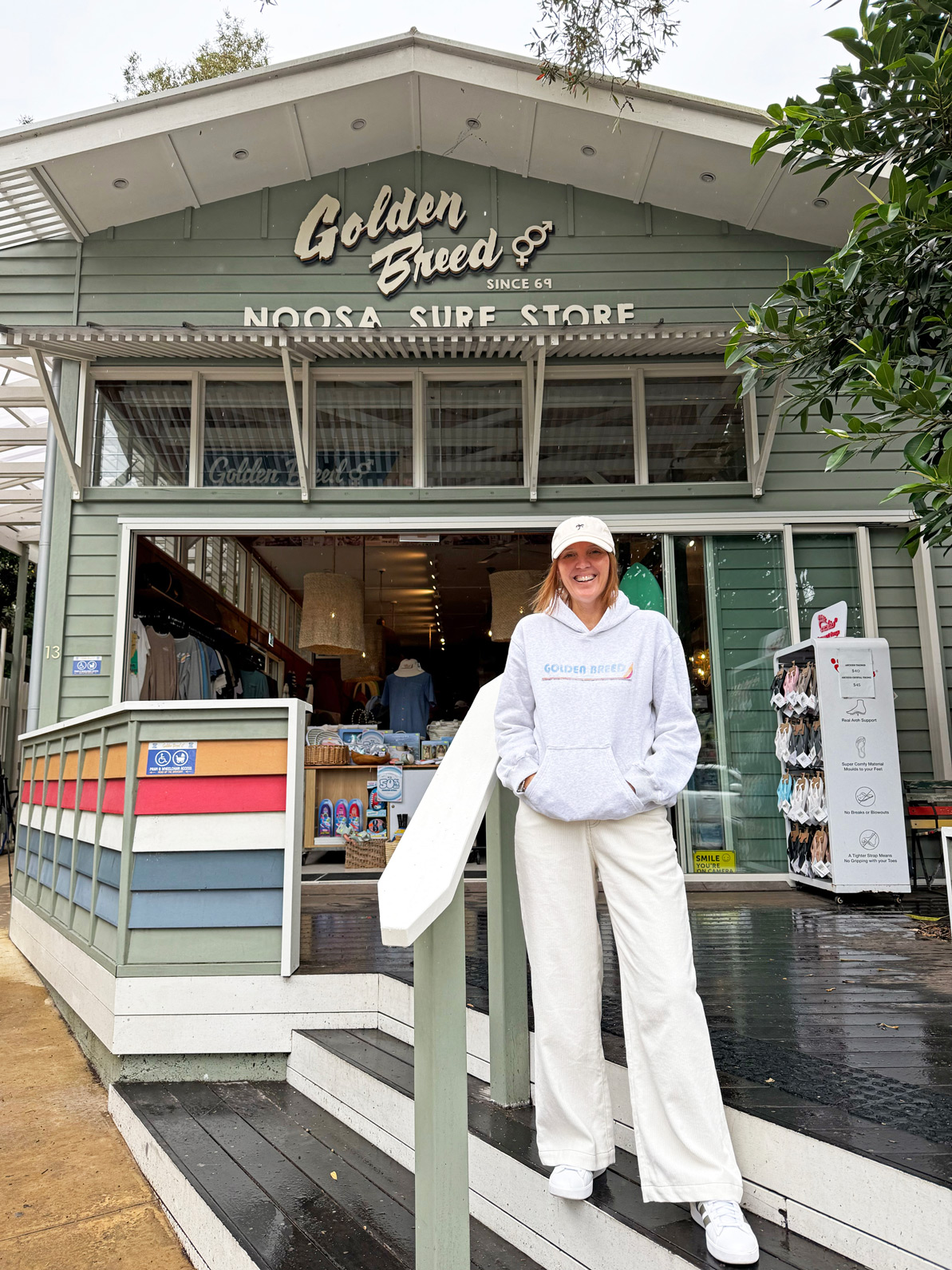
“The best part of my job is working with a great team and being creative in new and evolving ways.”
What’s the best part of your job?
The best part of my job is working with a great team and being creative in new and evolving ways. Plus I’m also still being able to shoot surfing when the surf is good and incorporate this into the content I share for myself and for the store.
What’s the biggest challenge?
Working in social media is so fast paced and constantly evolving it can be a bit of a whirlwind at times.
How did you get your job / what experience do you need?
I was approached by the team as they thought I would be a good fit with my background in surf photography and videography. My experience was shown through my successful surf art account Let Me Sea

Do you make a good living from it?
Yes, after many years of freelancing it is great to have consistent work and a steady income.
What advice would you give someone who’d love to work in a similar job to yours?
It’s quite a niche job working for a surf brand but if you want to get into it I can only speak of my experience which is having a passion for surf imagery showing consistency and having great quality work to back it up.