


Resetting Body and Mind This Winter
Cold-water days have a way of sharpening the senses. They wake you up and clear the mind. But the real magic happens when cold exposure is paired with intentional recovery. From science-backed benefits of cold immersion to calming the nervous system and refuelling properly afterwards, winter rituals can become powerful tools for wellbeing, both in and out of the sea.

Take the Plunge: Why Cold Water Works
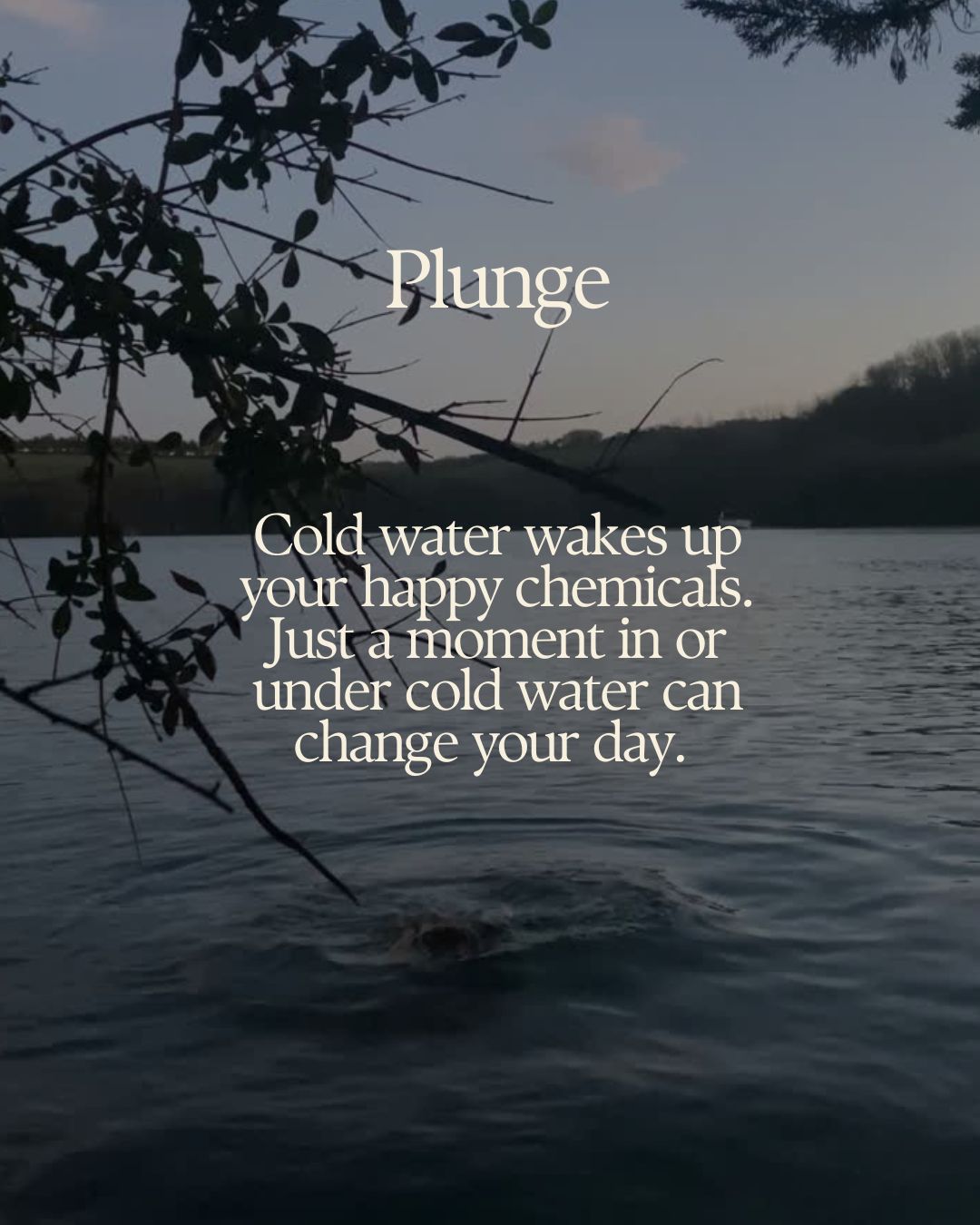
Cold water immersion triggers a natural physiological response designed to protect and strengthen the body. When you enter cold water, blood vessels constrict and circulation is redirected towards vital organs. As you warm back up, blood flow increases again, helping deliver oxygen and nutrients more efficiently throughout the body.
Research suggests regular, controlled cold exposure can:
- Boost dopamine and endorphin release, supporting mood, motivation and focus
- Reduce inflammation and ease muscle soreness
- Improve resilience to stress by gently training the nervous system
The key is consistency over extremes. Short, intentional exposure, rather than pushing limits, delivers the biggest benefits. A winter surf or sea dip followed by warming up properly.
Find the Calm: Regulating the Nervous System Through Breath
Cold water activates the sympathetic nervous system, the body’s “fight or flight” response. While this short burst of stress can be beneficial, it’s important to guide the body back into a parasympathetic, rest-and-digest state afterwards.
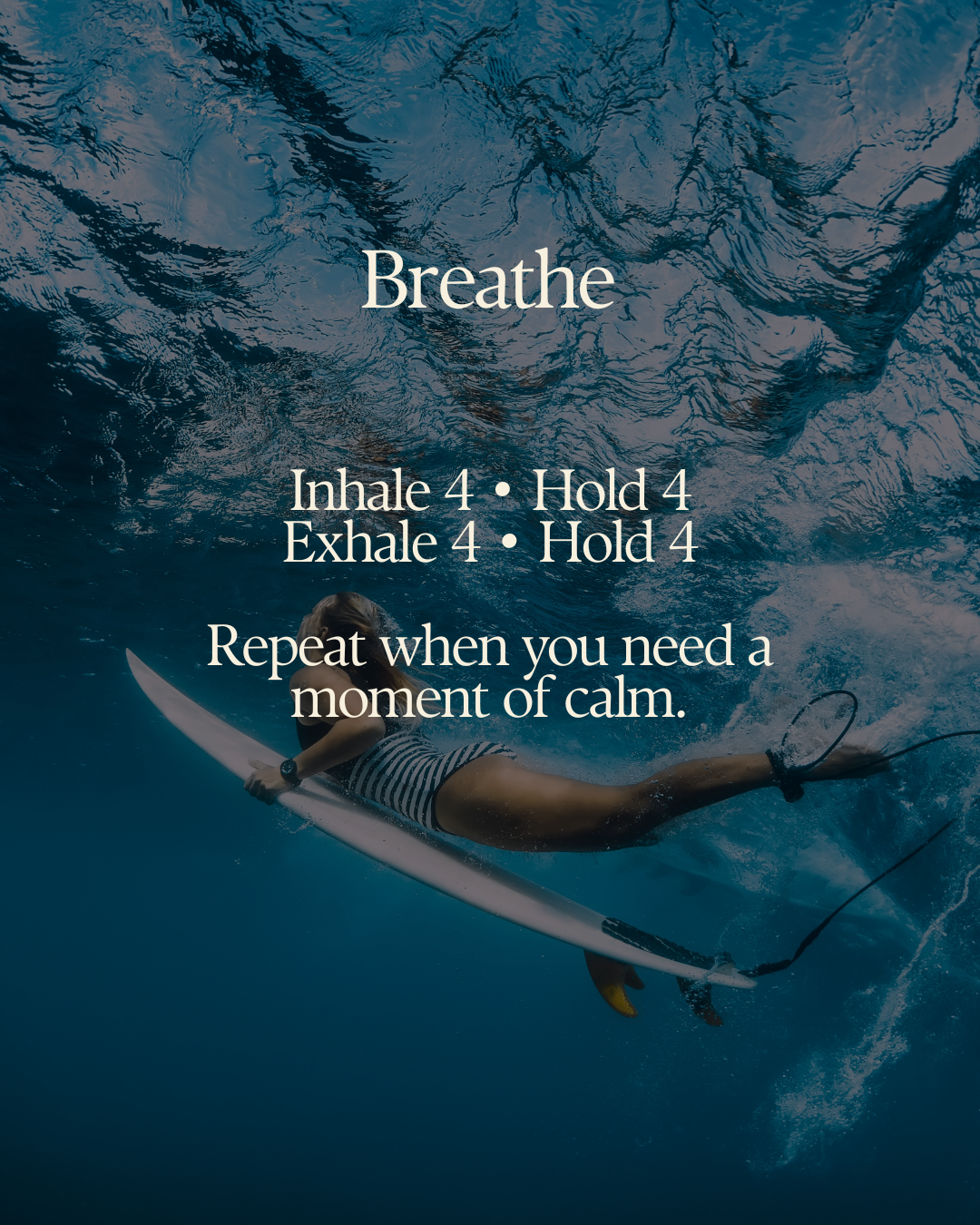
Breathwork is one of the most effective ways to do this. Box breathing is a simple, science-backed technique used by athletes, clinicians and surfers alike to calm the nervous system and regulate heart rate:
Inhale for 4 seconds
Hold for 4
Exhale for 4
Hold for 4
This balanced breathing pattern increases vagal tone, helping lower cortisol levels and restore a sense of calm, perfect post-plunge or surf.

Care From Within: Warm, Refuel, Restore
After cold exposure, your body works harder to return to its core temperature, increasing energy and nutrient demands. This makes warm, nourishing food especially important.
A simple winter soup packed with vegetables, quality protein and healthy fats helps to:
- Replenish energy stores
- Support immune function
- Promote muscle repair and recovery
Warm drinks also play a key role in re-warming and hydration, particularly after time in salt water. Think herbal teas, broths or warm plant-based milks.
Move, Layer, Recover
Gentle movement after a cold dip, walking, stretching or light mobility helps rewarm muscles without shock. Layering correctly supports this recovery phase and encourages you to stay outdoors.
Good recovery isn’t about rushing back to “normal”, it’s about listening, warming slowly and letting the body adapt.
Let this become your February ritual. Layer well. Breathe intentionally. Nourish deeply. When done right, cold water becomes less about toughness and more about balance, helping you feel grounded, calm and ready for the next adventure.
Get out there.
Take the plunge.
Warm up well.
More to come…
Sign up to our channel here.
Follow us @surfgirlmag
Send us an email here.
If you’d like access to more of this kind of content then you can purchase a SurfGirl Premium Pass here